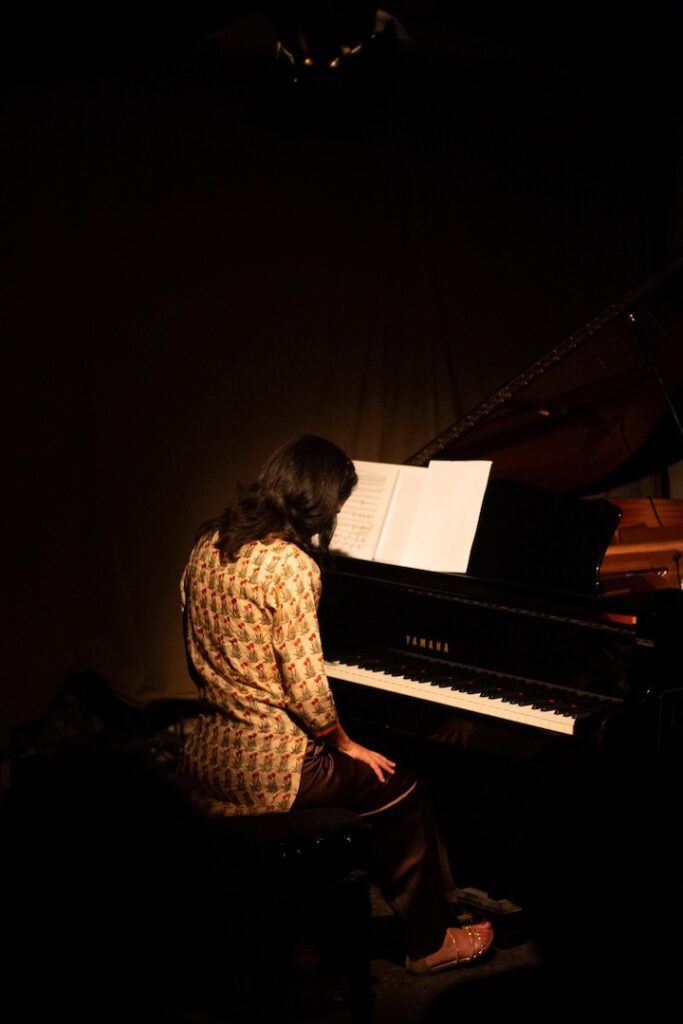
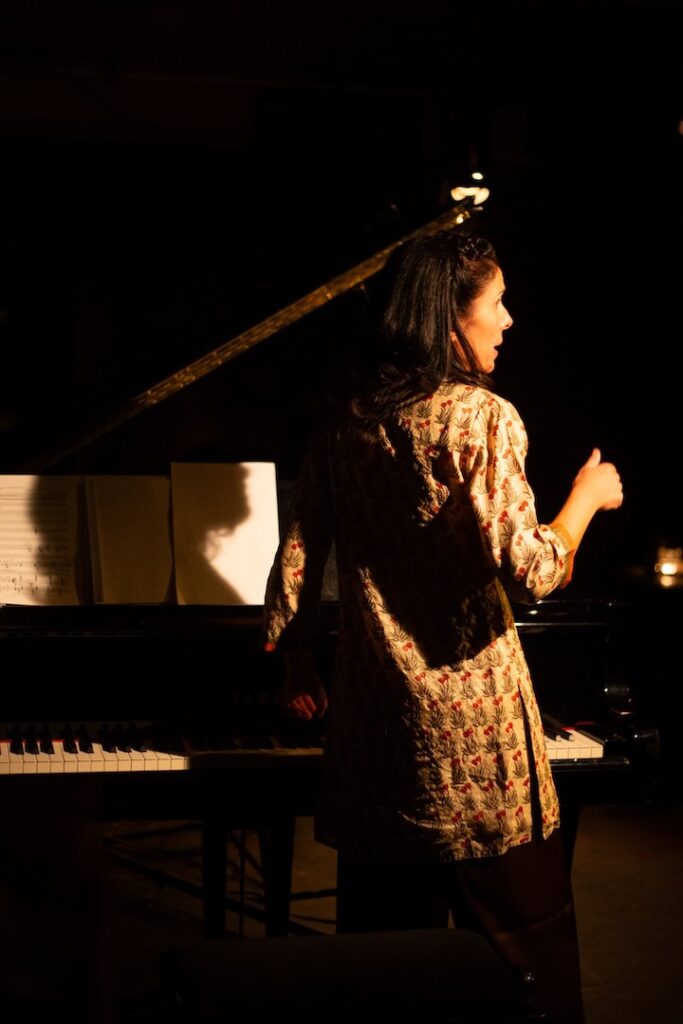
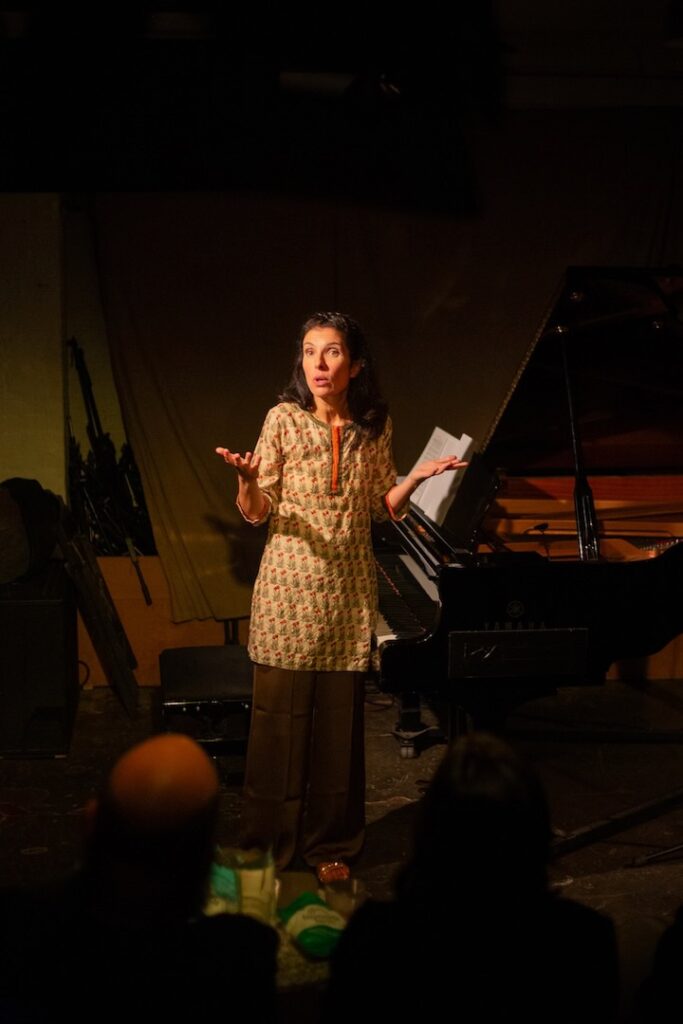
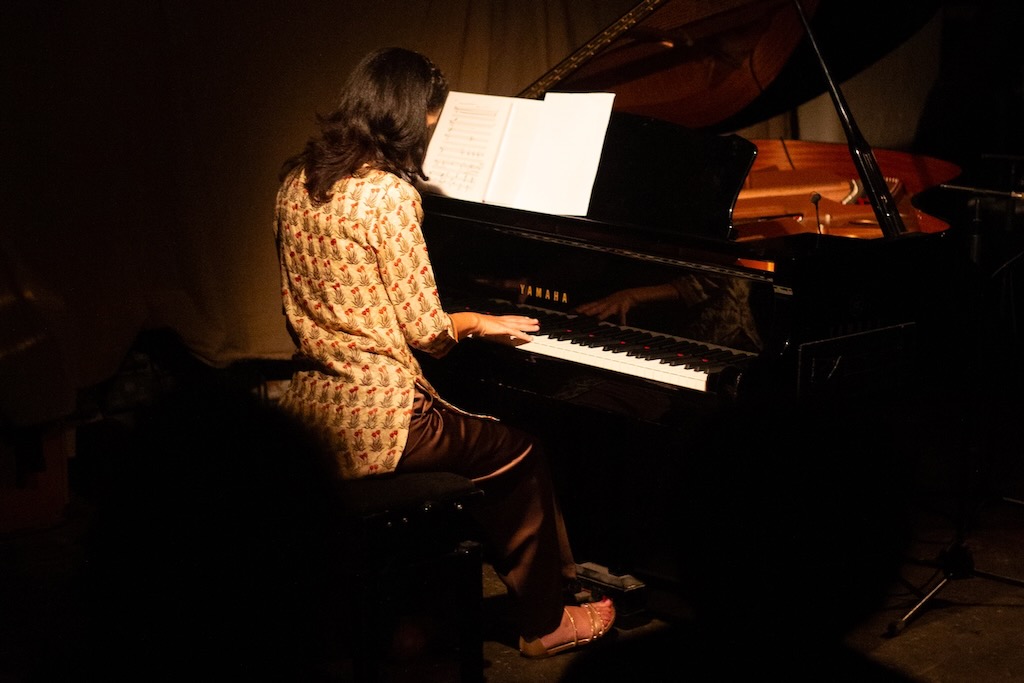
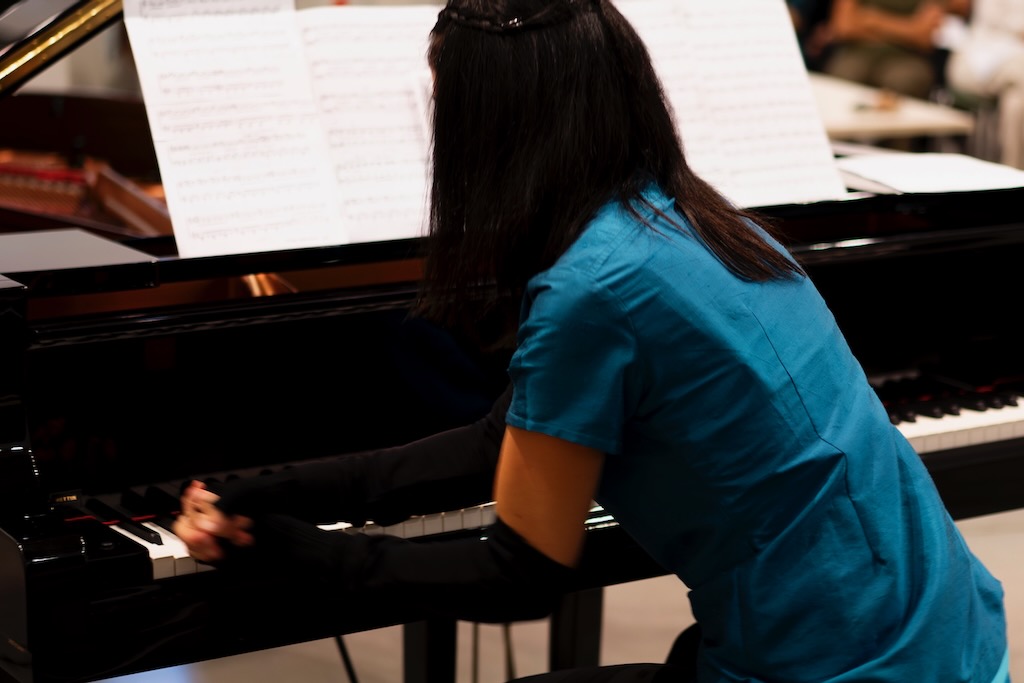
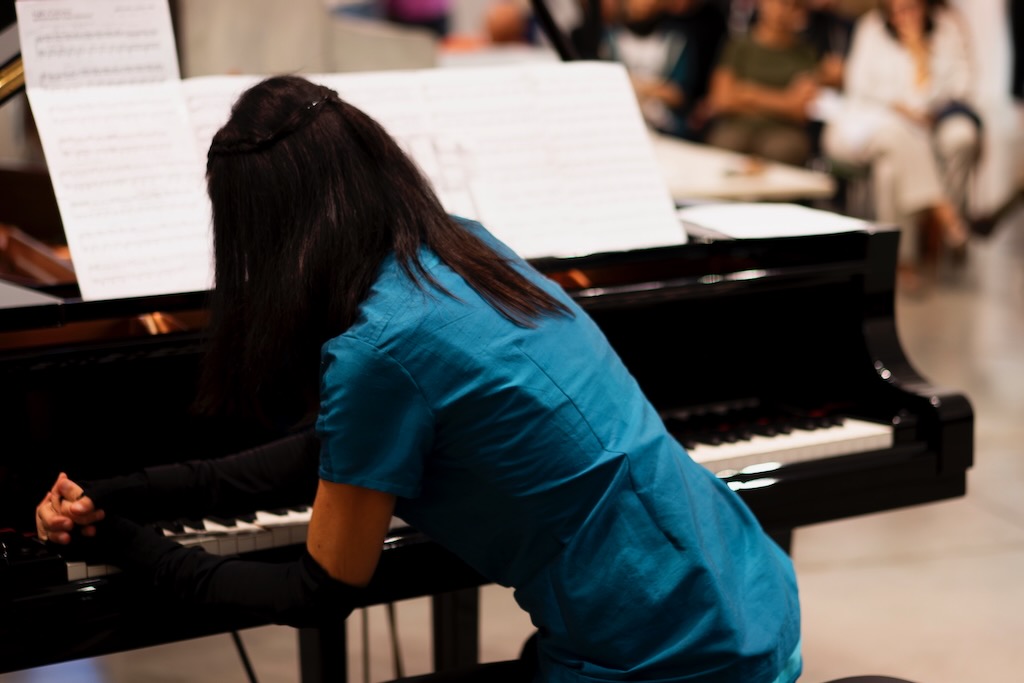
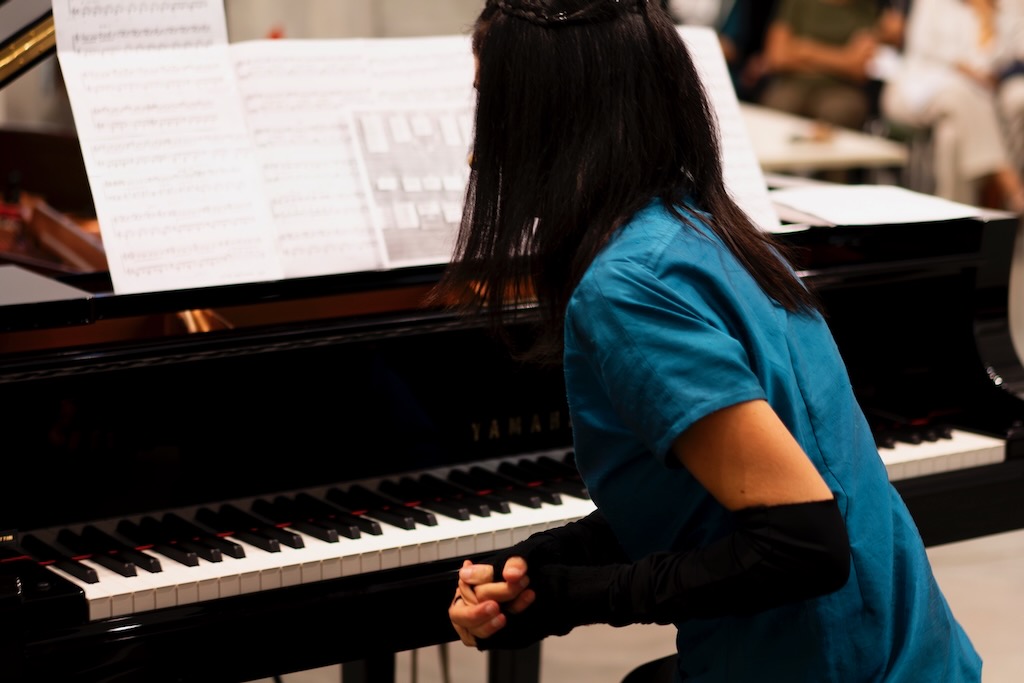
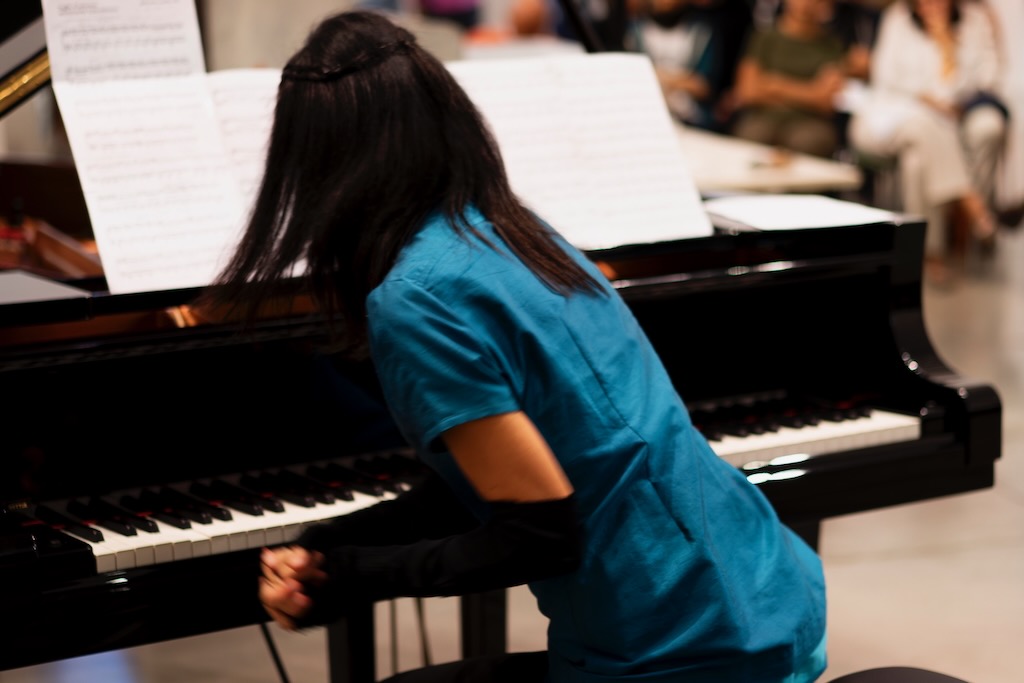
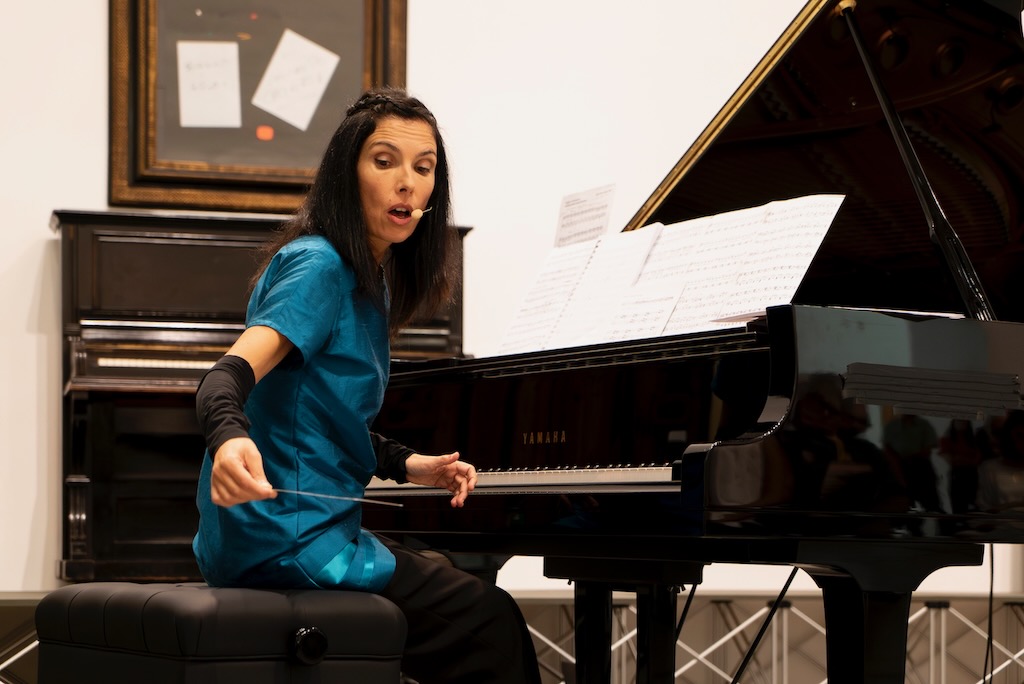
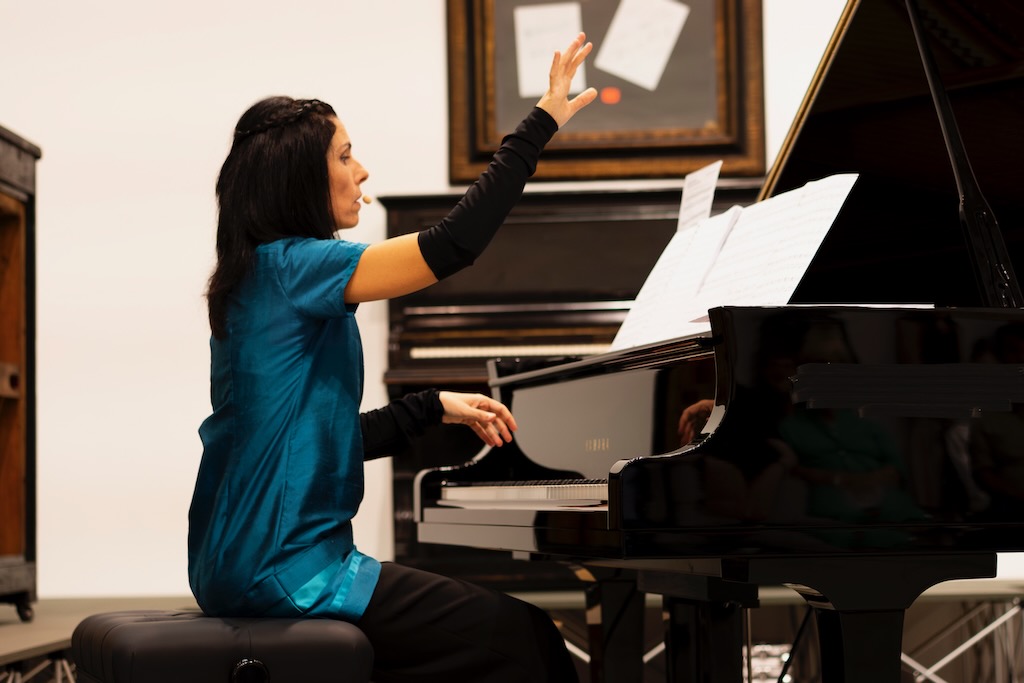
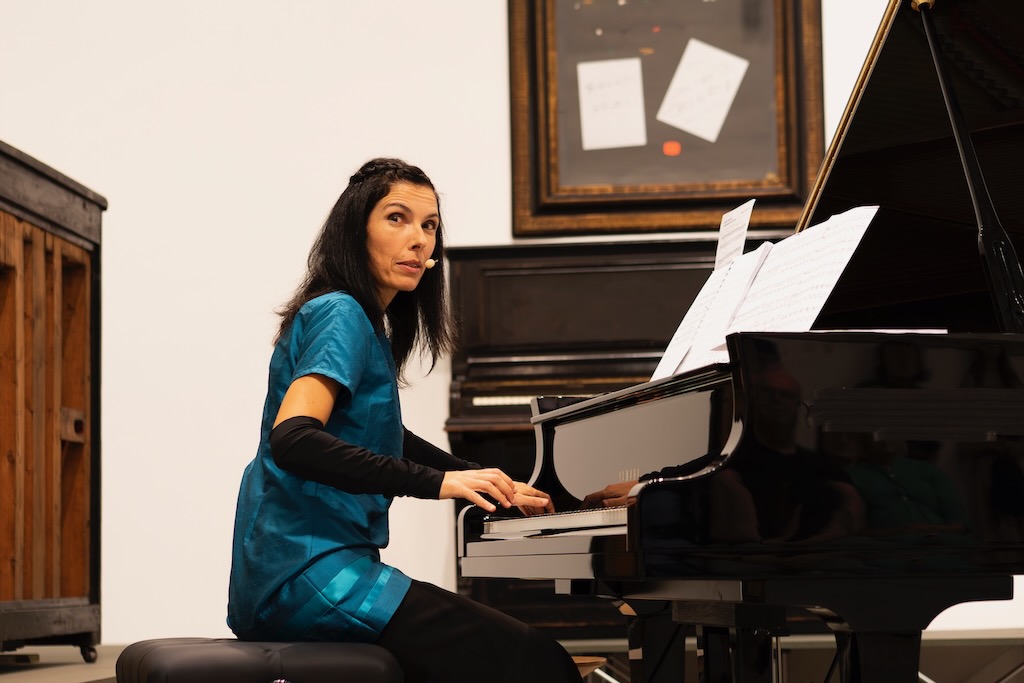
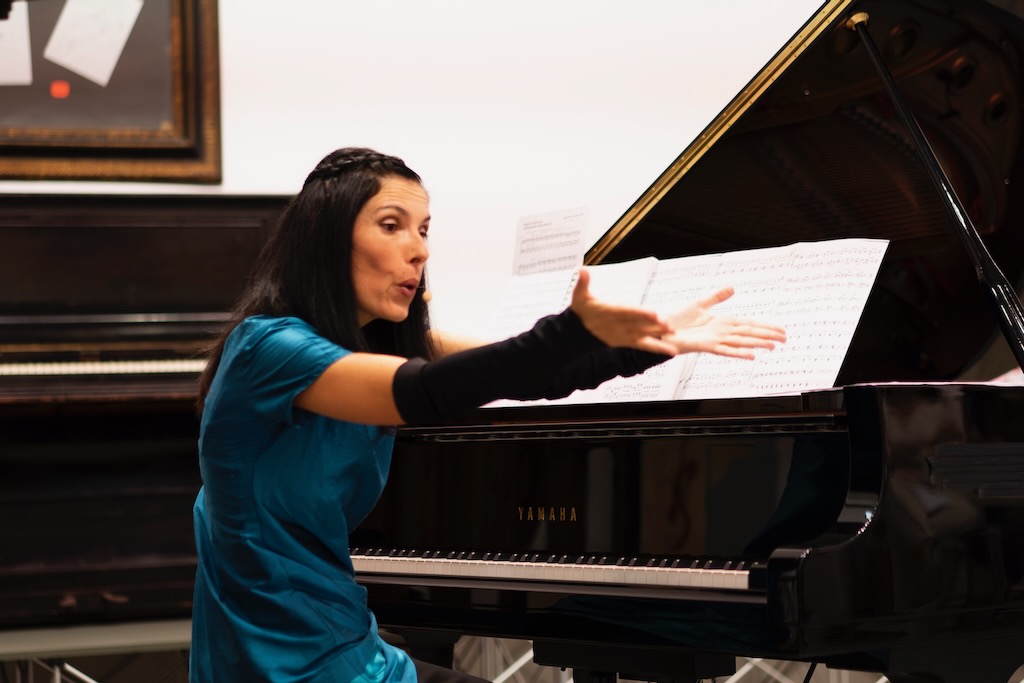
Il 27 novembre a Udine suonerò un concerto per il centenario del compositore Morton Feldman (1926/1987) al Salotto Musicale Fvg. Sempre più spesso mi ritrovo circondata non solo dalla musica ma anche dalle relazioni che crea, riverberando nello spazio e nel tempo da un compositore all’altro. E’ abbastanza comprensibile che il fascino della musica di Feldman agisca su molti, musicisti e non; tra questi c’è sicuramente il compositore Giancarlo Cardini, il cui mondo creativo era chiaramente molto vicino a quello spazioso, rarefatto, risonante di Feldman. E il compositore Philip Corner, che ha conosciuto e lavorato con Feldman già dai tempi della New York School, mi ha ribadito recentemente quanto apprezzi la sua musica (qualche anno fa ha scritto infatti un brano con dedica nascosta). L’ultima fase compositiva di Feldman è caratterizzata da durate dei pezzi molto lunghe: si va dall’ora e mezza di Triadic Memories alle monumentali sei ore del bellissimo secondo Quartetto. Ma il suo ultimo pezzo per pianoforte, Palais de Mari, riunisce l’ampiezza quieta dei grandi lavori ad una durata contenuta – più o meno mezz’ora. Il pezzo ideale per seguire il filo sonoro delle risonanze (ma anche della stima e dell’amicizia) nei lavori dei suoi colleghi.
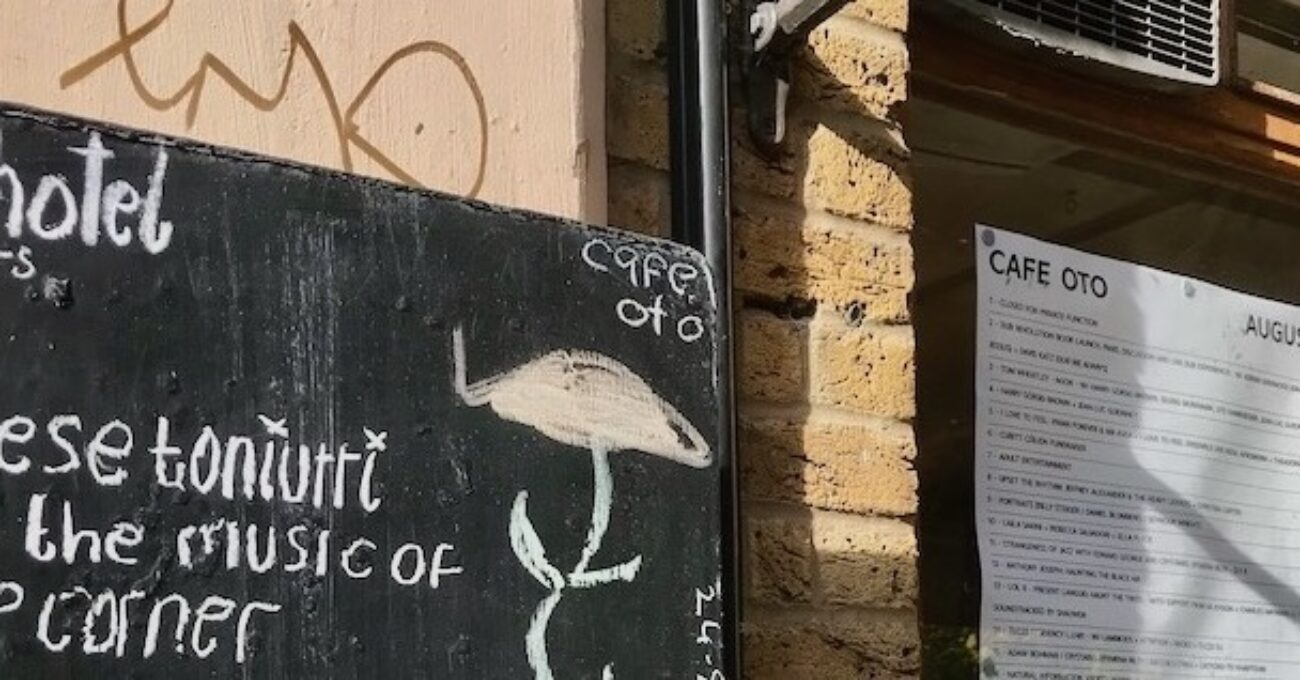
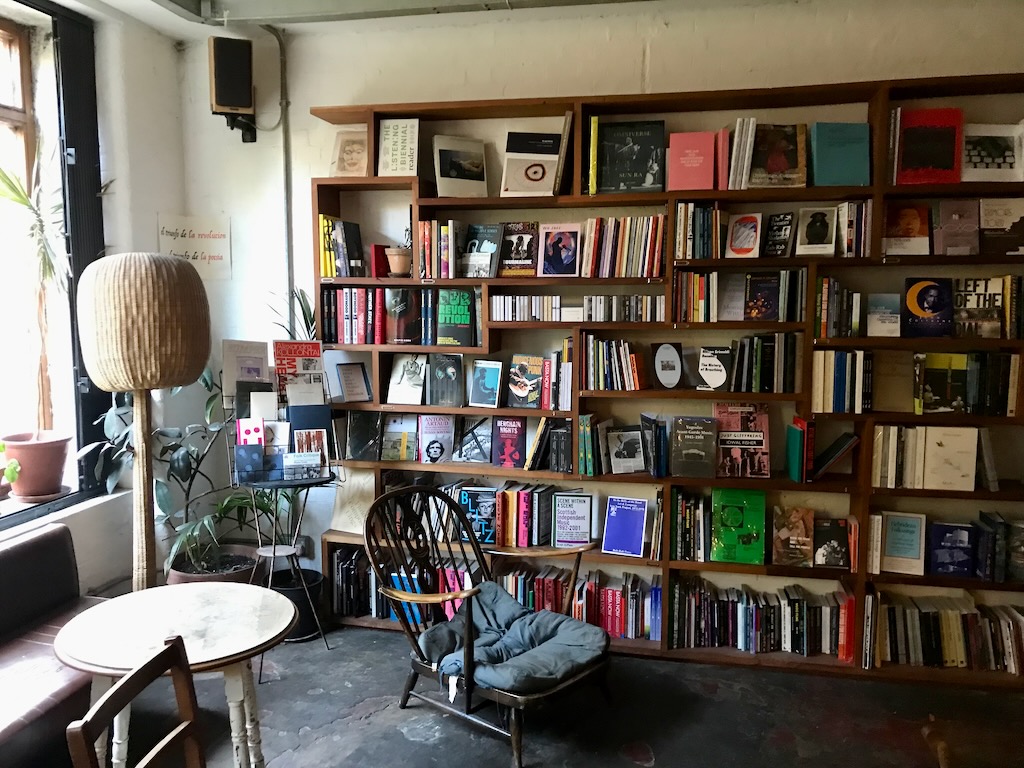
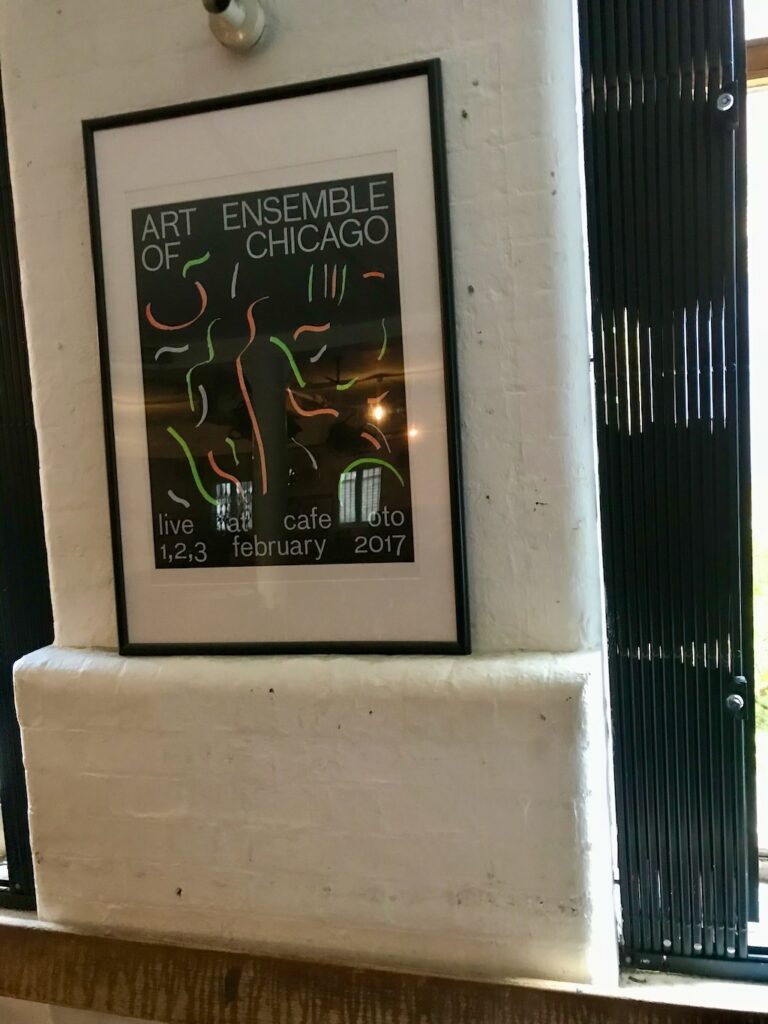
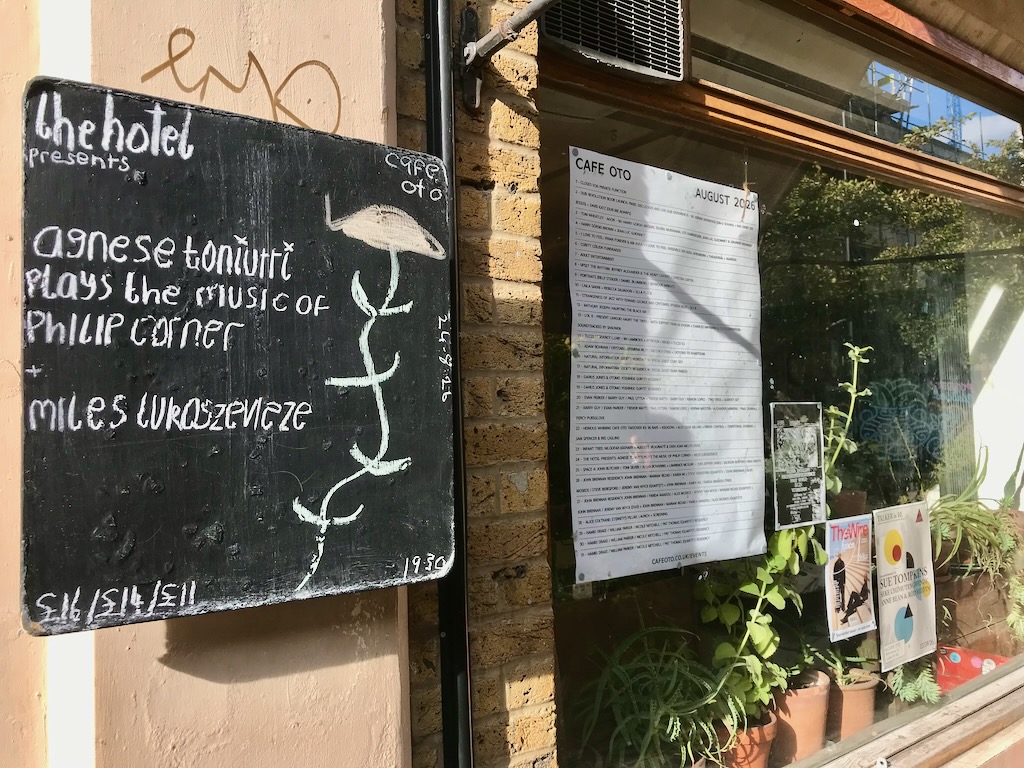
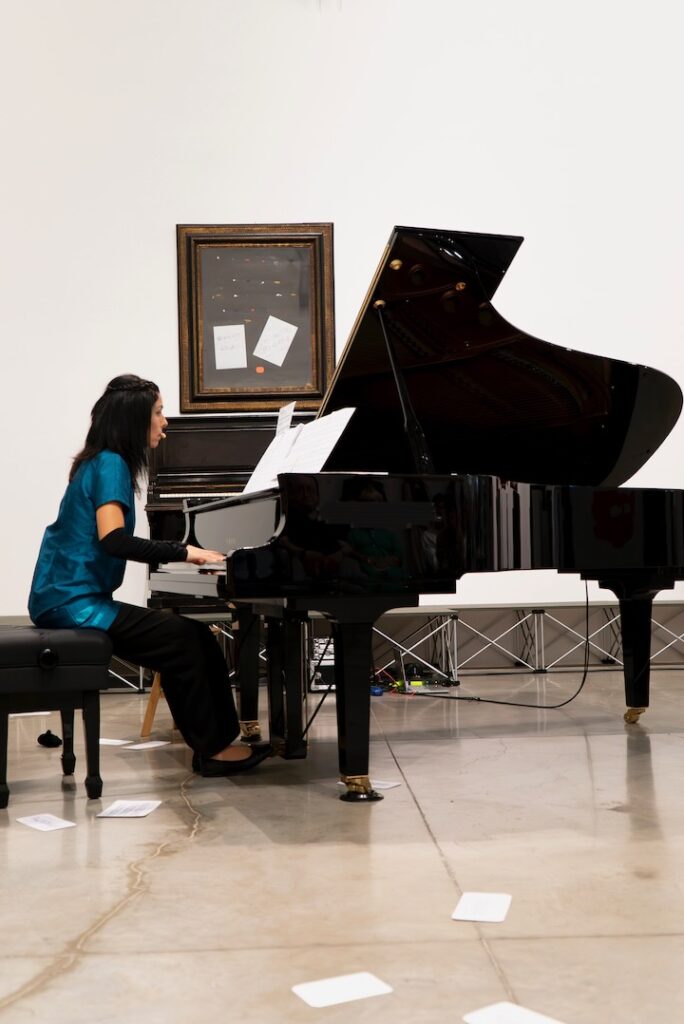
La reputazione del Cafe OTO è ben meritata. Durante il giorno è un piacevolo luogo dove pranzare e procurarsi musica e libri accuratamente scelti. La sera diventa uno spazio informale dove professionisti del settore garantiscono un’ottima esperienza di esecuzione e di ascolto con un pubblico attento e rispettoso dei silenzi. Sono stata dunque molto contenta di aver tenuto lì un mio concerto a fine agosto con l’organizzazione di una nuova etichetta molto attenta all’aspetto curatoriale, The Hotel, gestita con passione e cura dal giovane Henry Cyer e dai suoi colleghi, tutti giovani musicisti e/o musicofili.
Il mio programma dedicato tutto a Philip Corner era infatti collegato all’uscita discografica di una registrazione di alcuni decenni fa fatta da Corner dopo la visione di un film di Stan Brakhage. Philip mi ha confessato quanto lo ammirasse; la registrazione era proprio un omaggio per ringraziarlo dell’ispirazione che aveva avuto dal suo film. La risposta inaspettata di Brakhage fu girare un nuovo film, ispirato alla musica che Corner gli aveva fatto avere! The Hotel ha preso tutto questo florilegio di rimpalli creativi nelle proprie mani e l’ha reso disponibile al pubblico.
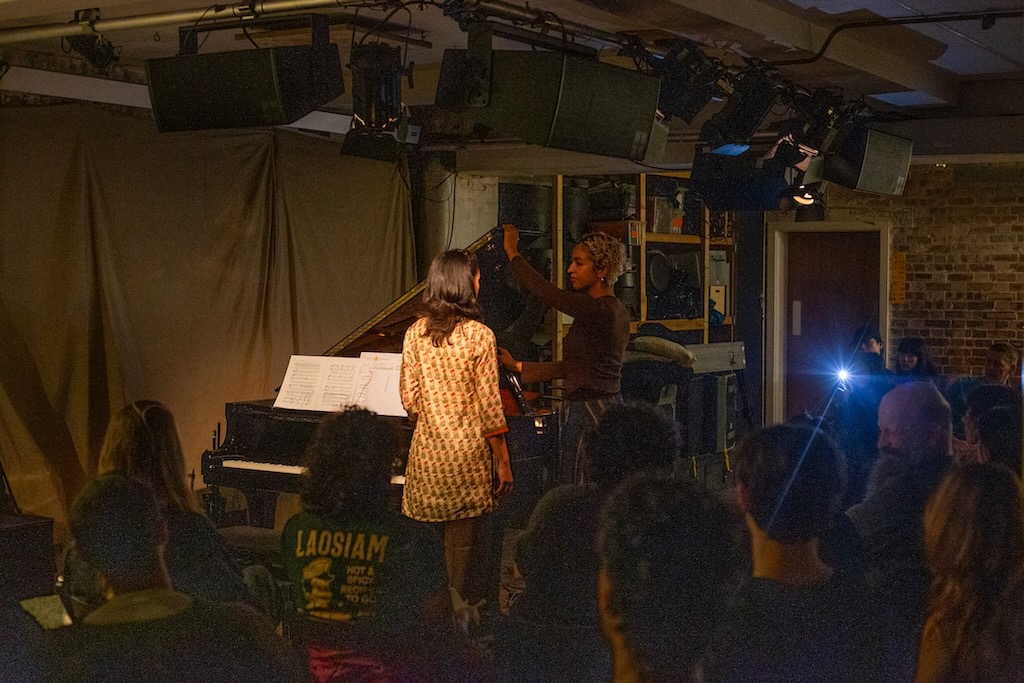
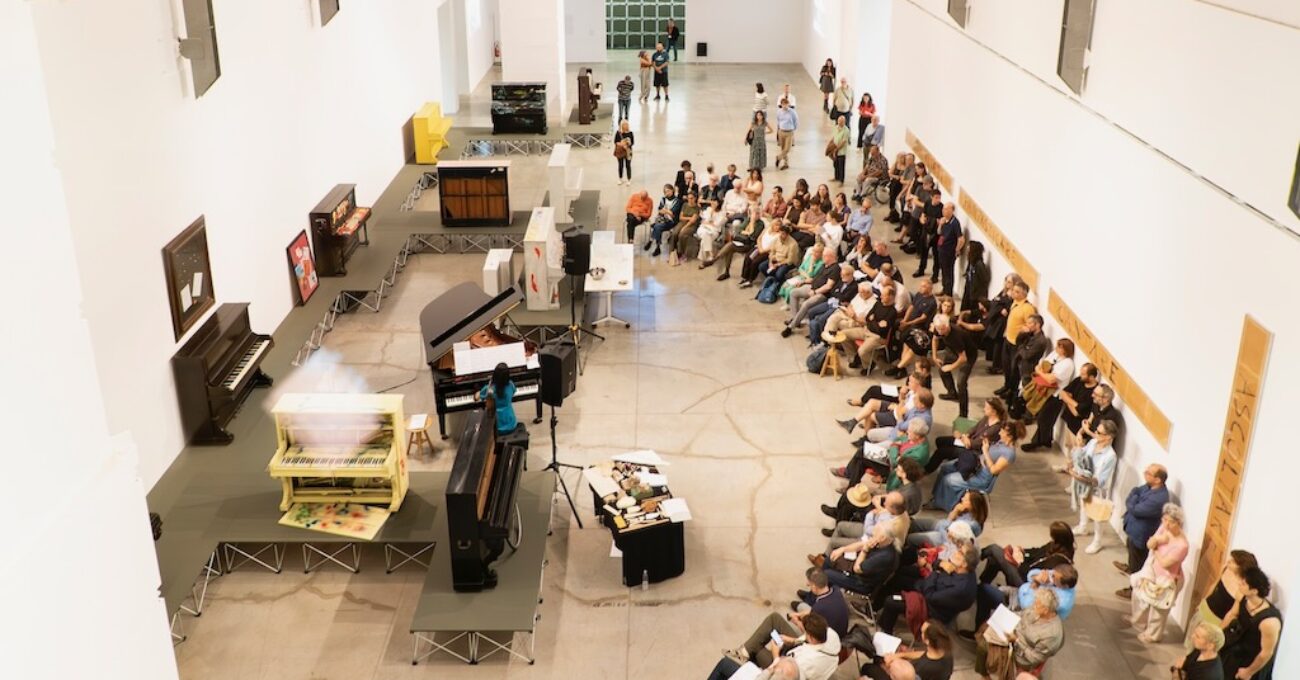
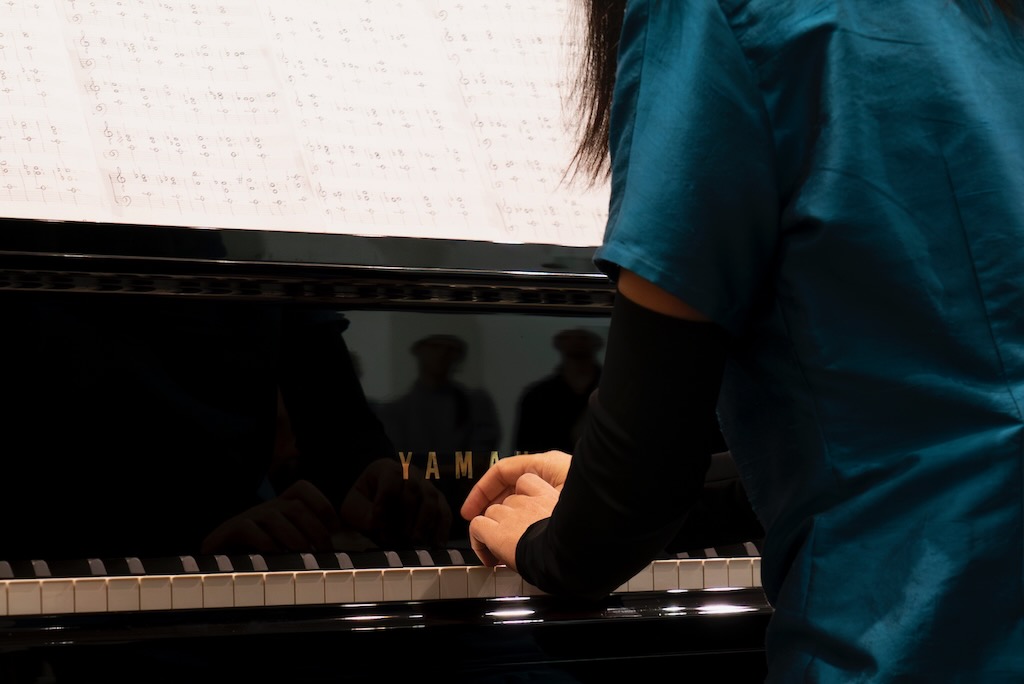
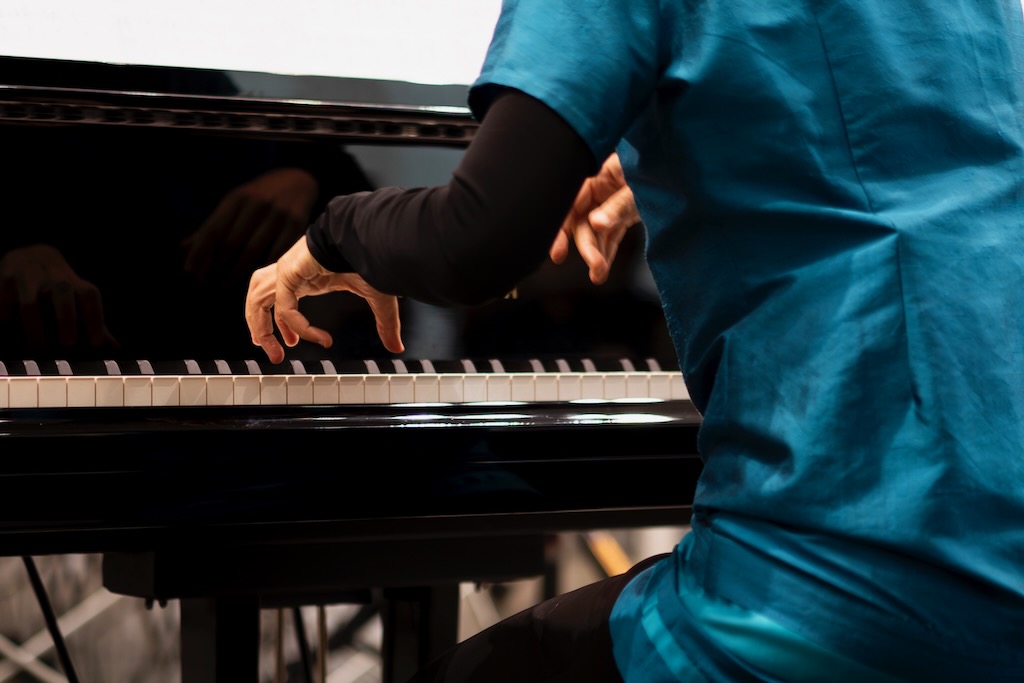
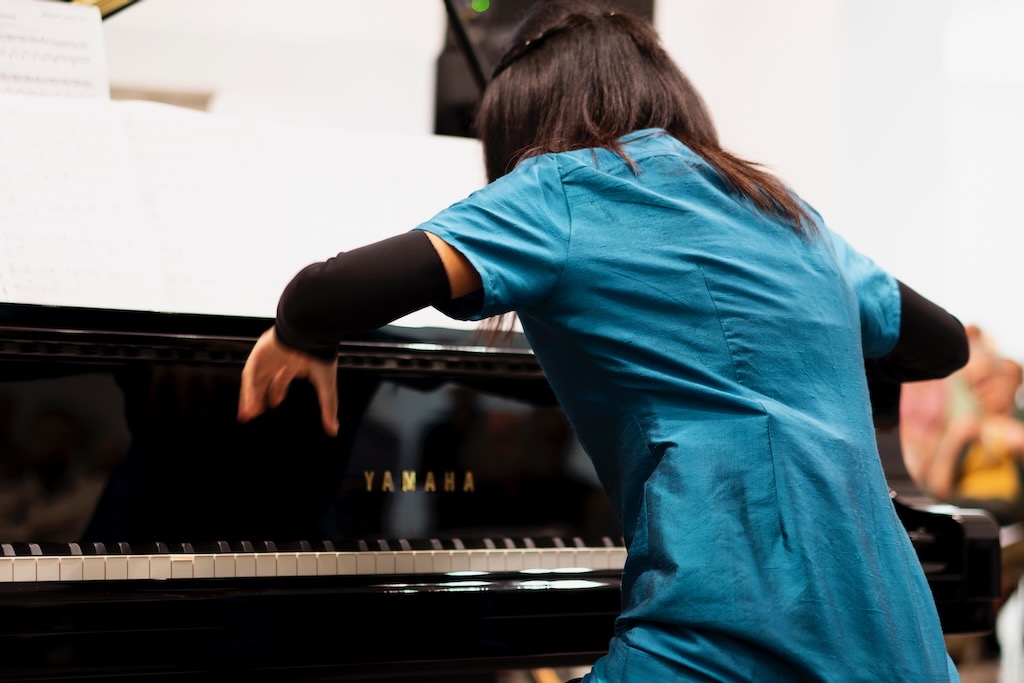
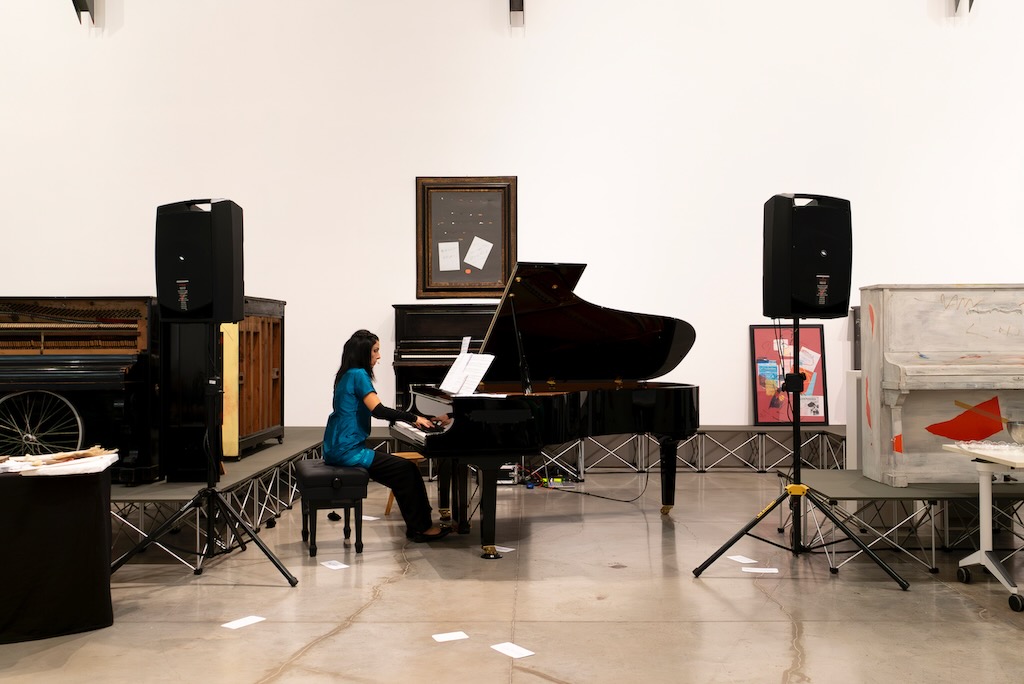
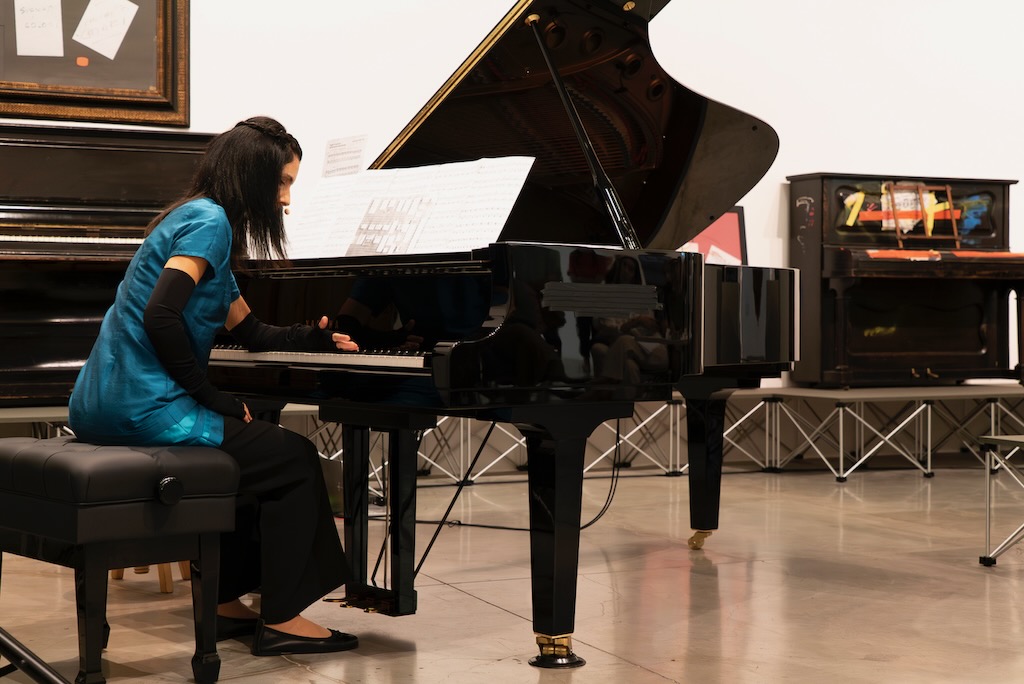
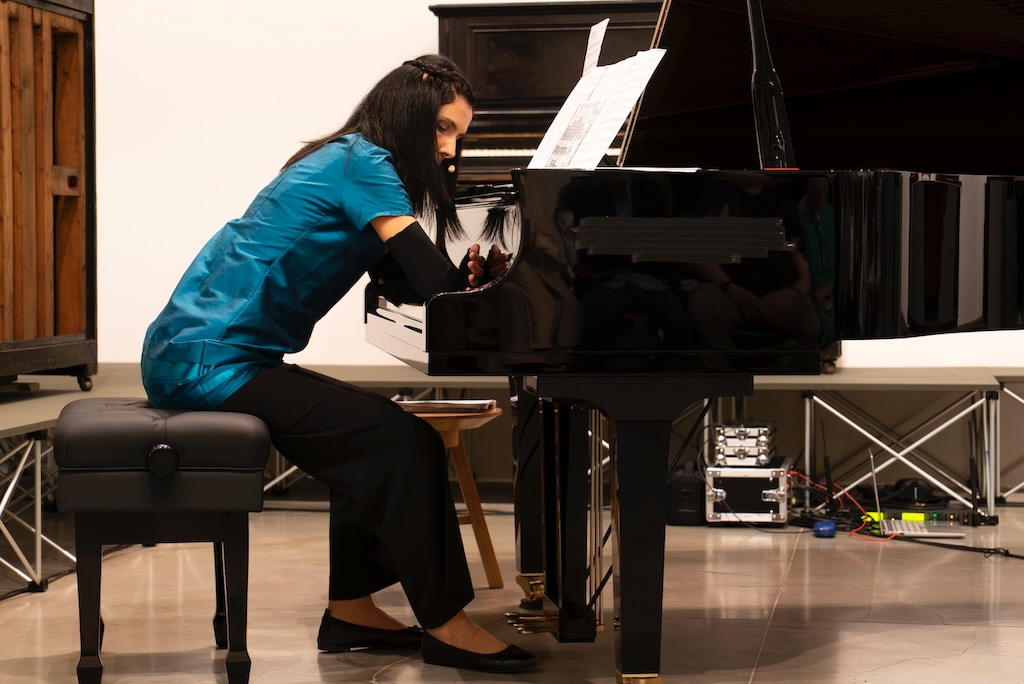
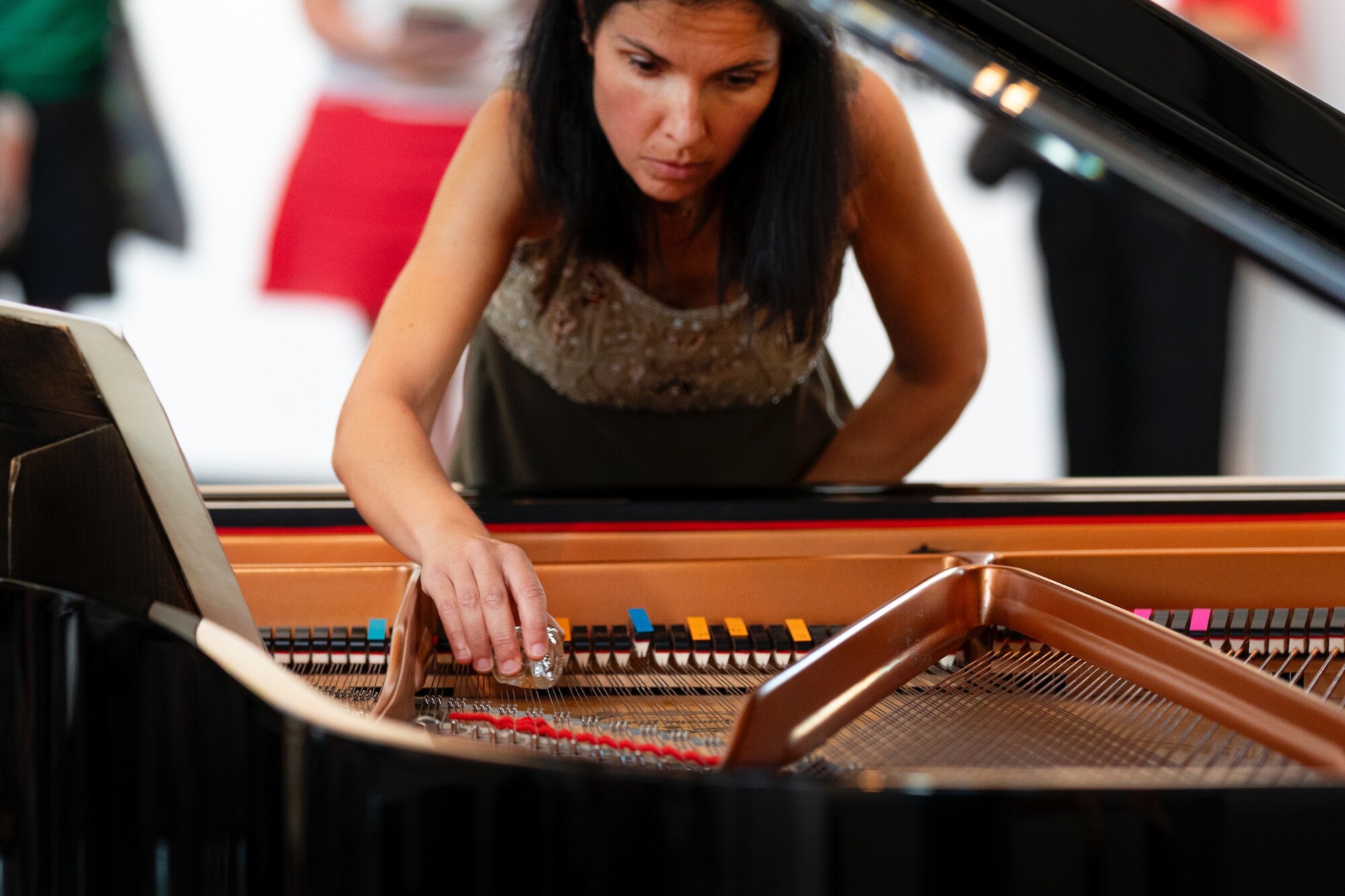
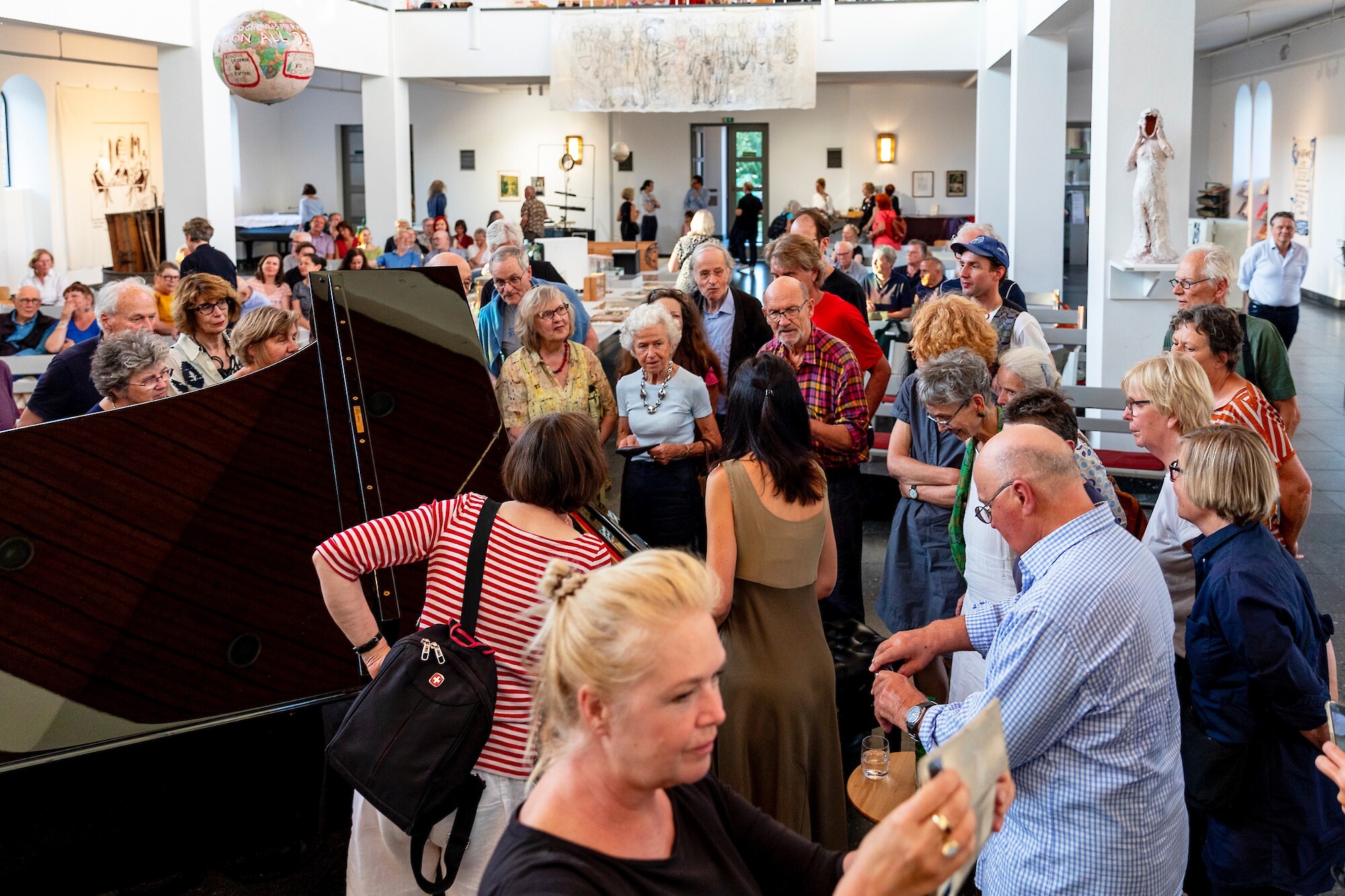
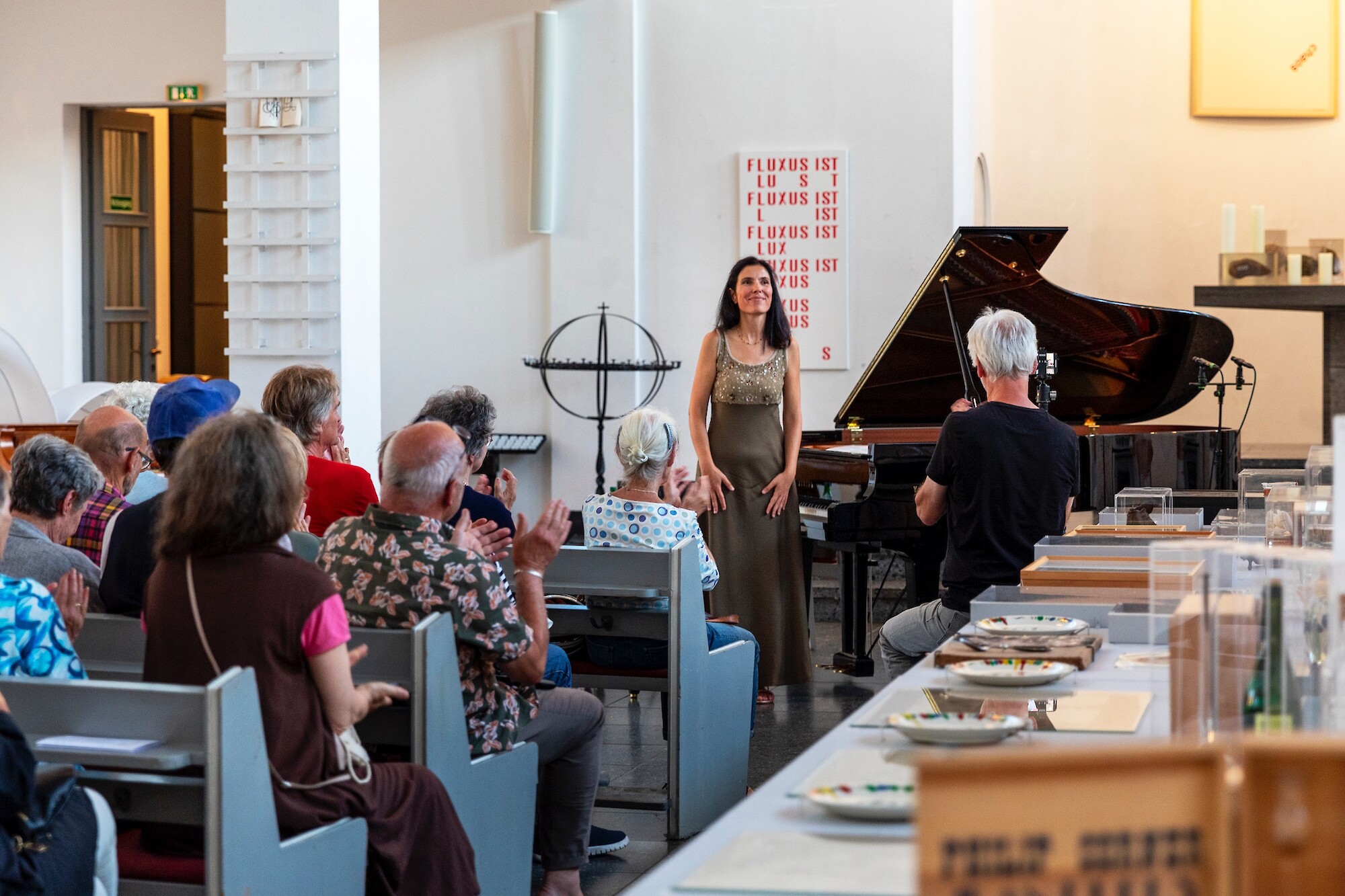
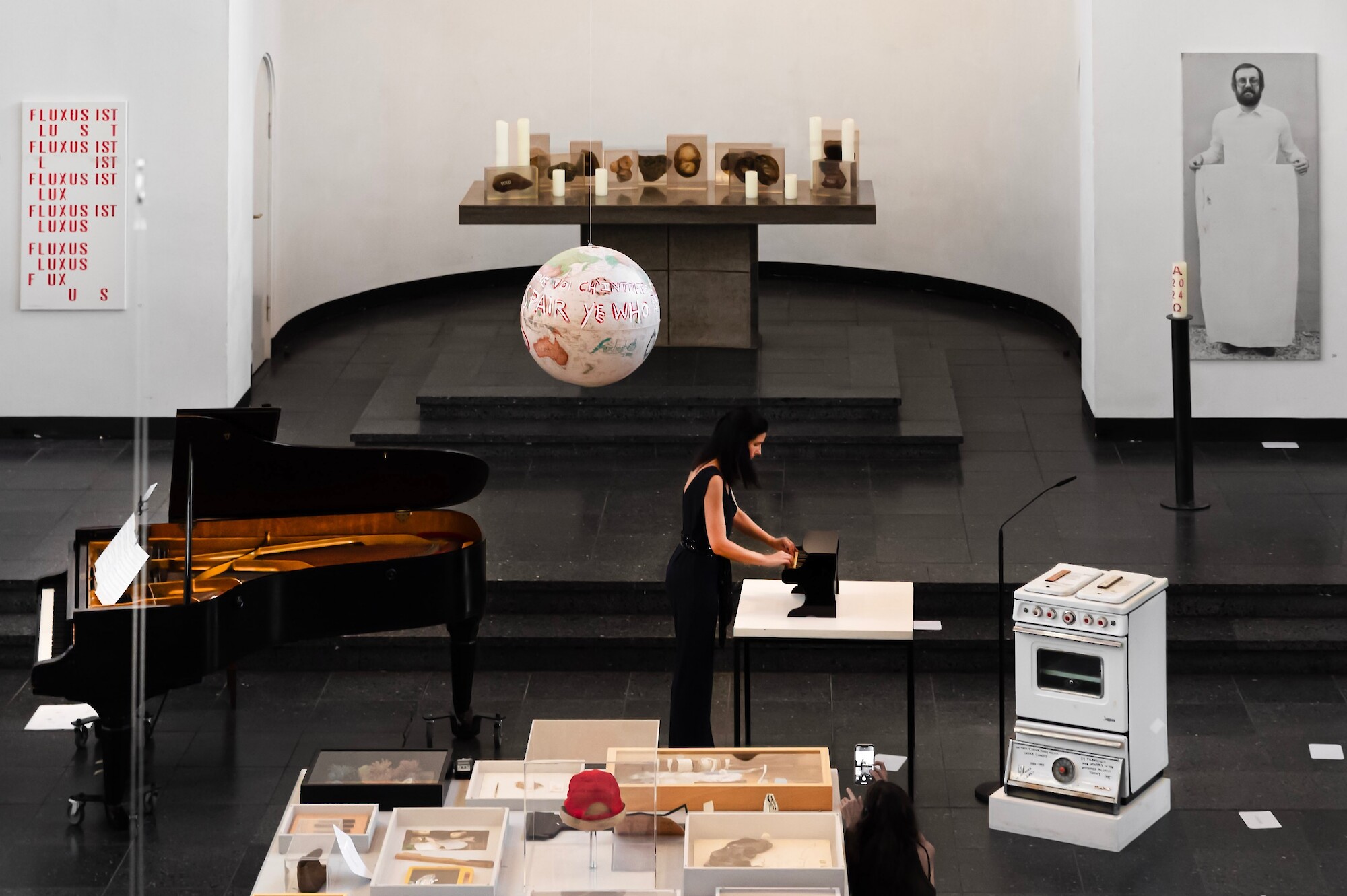
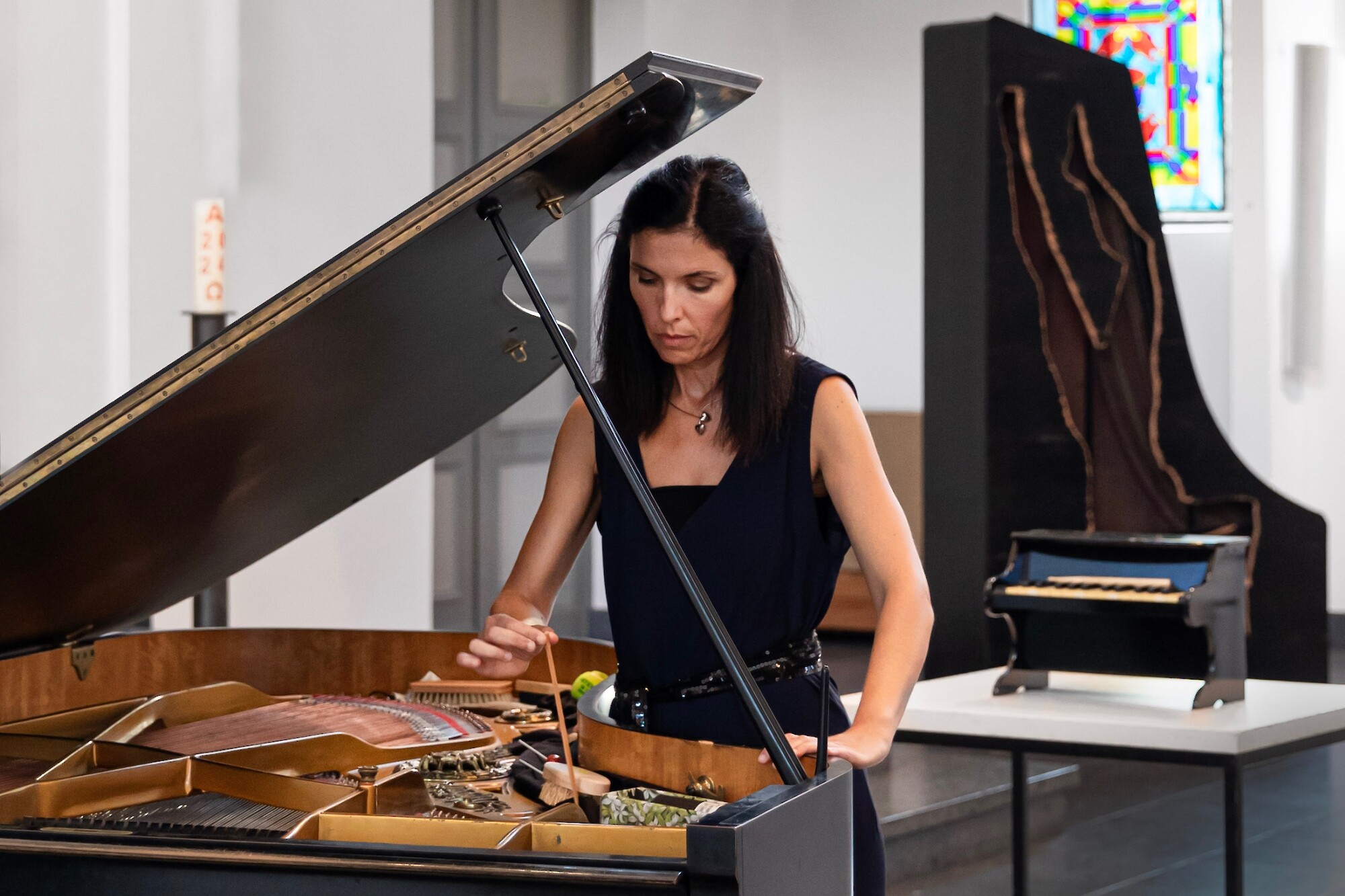
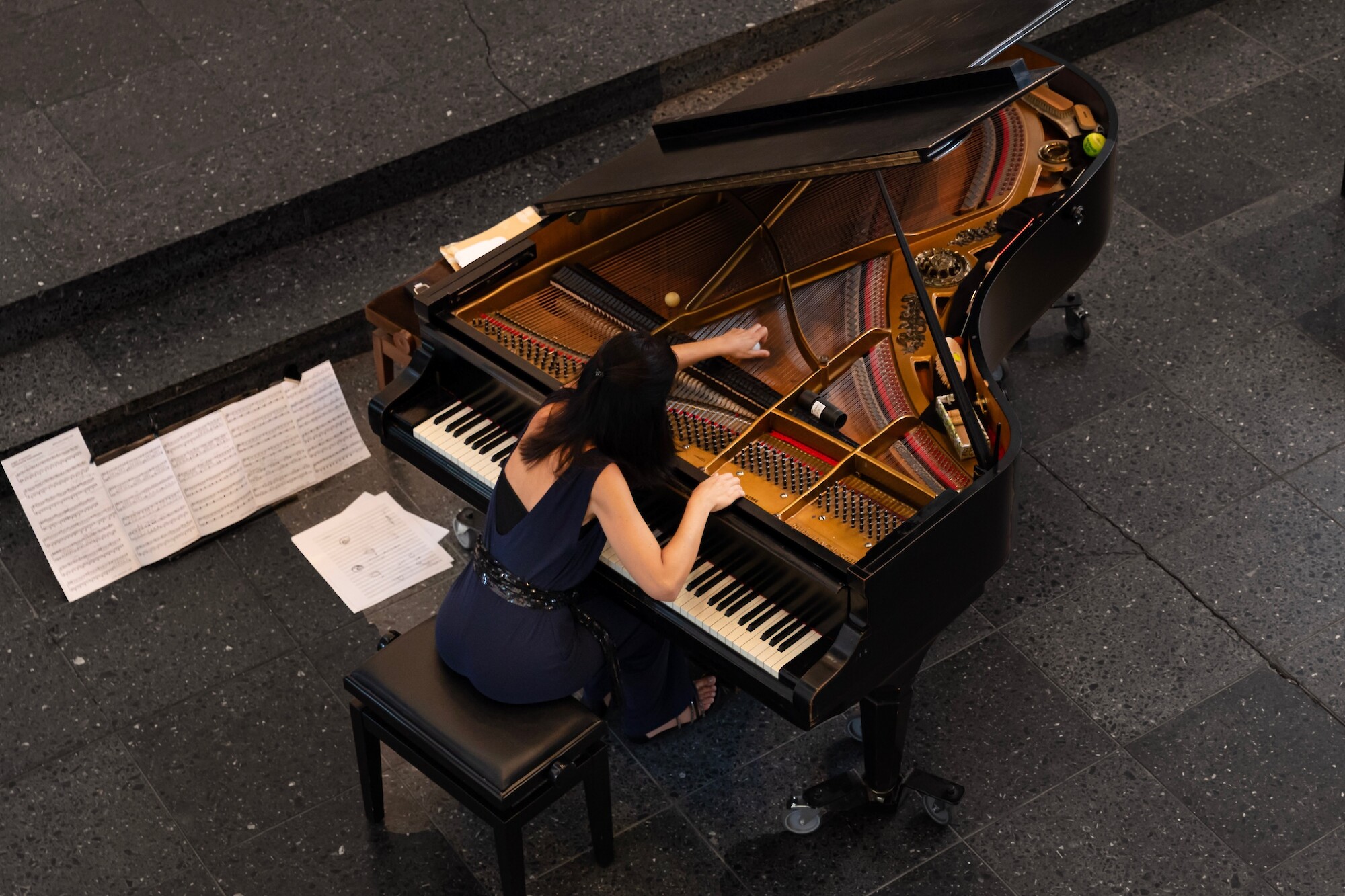
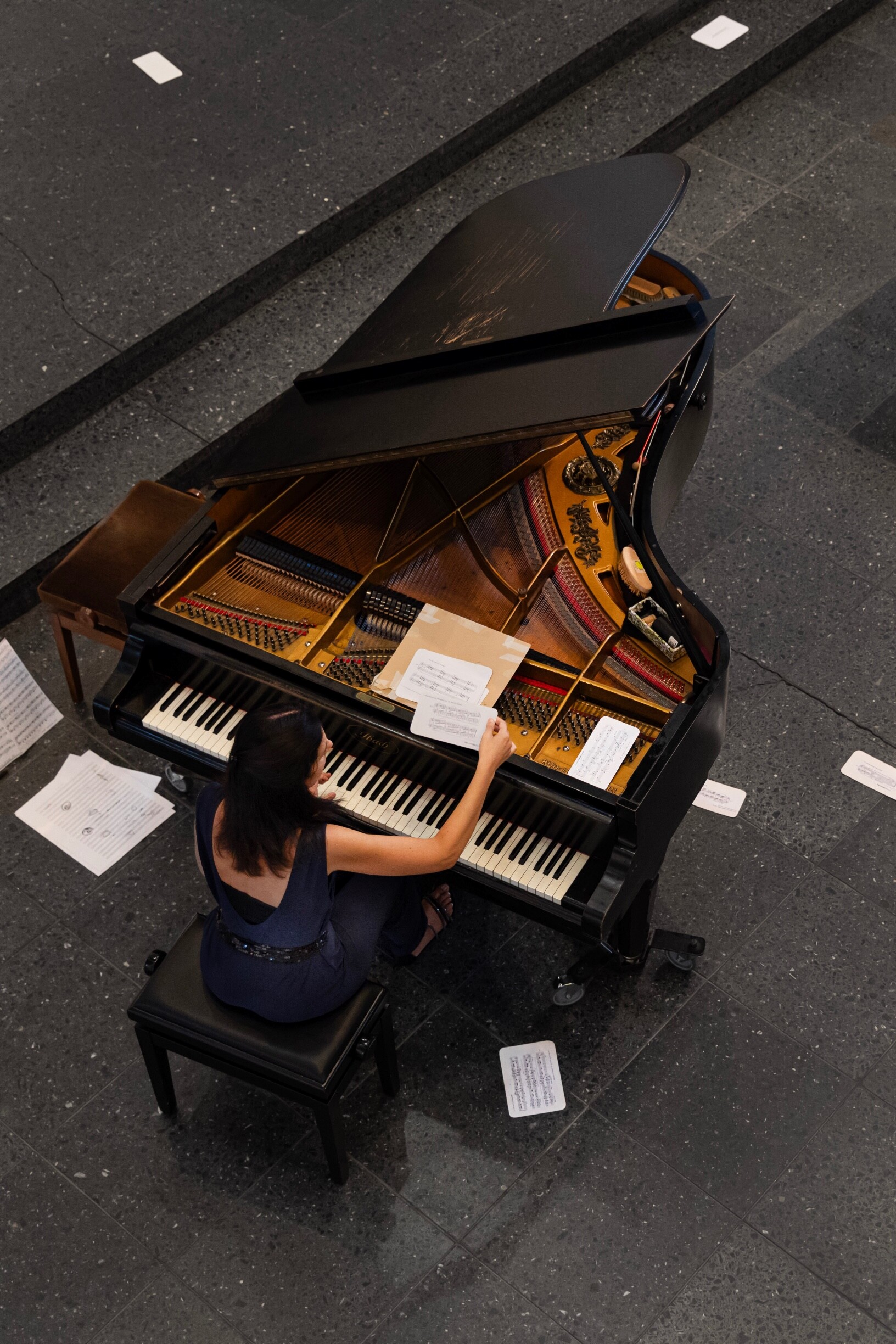
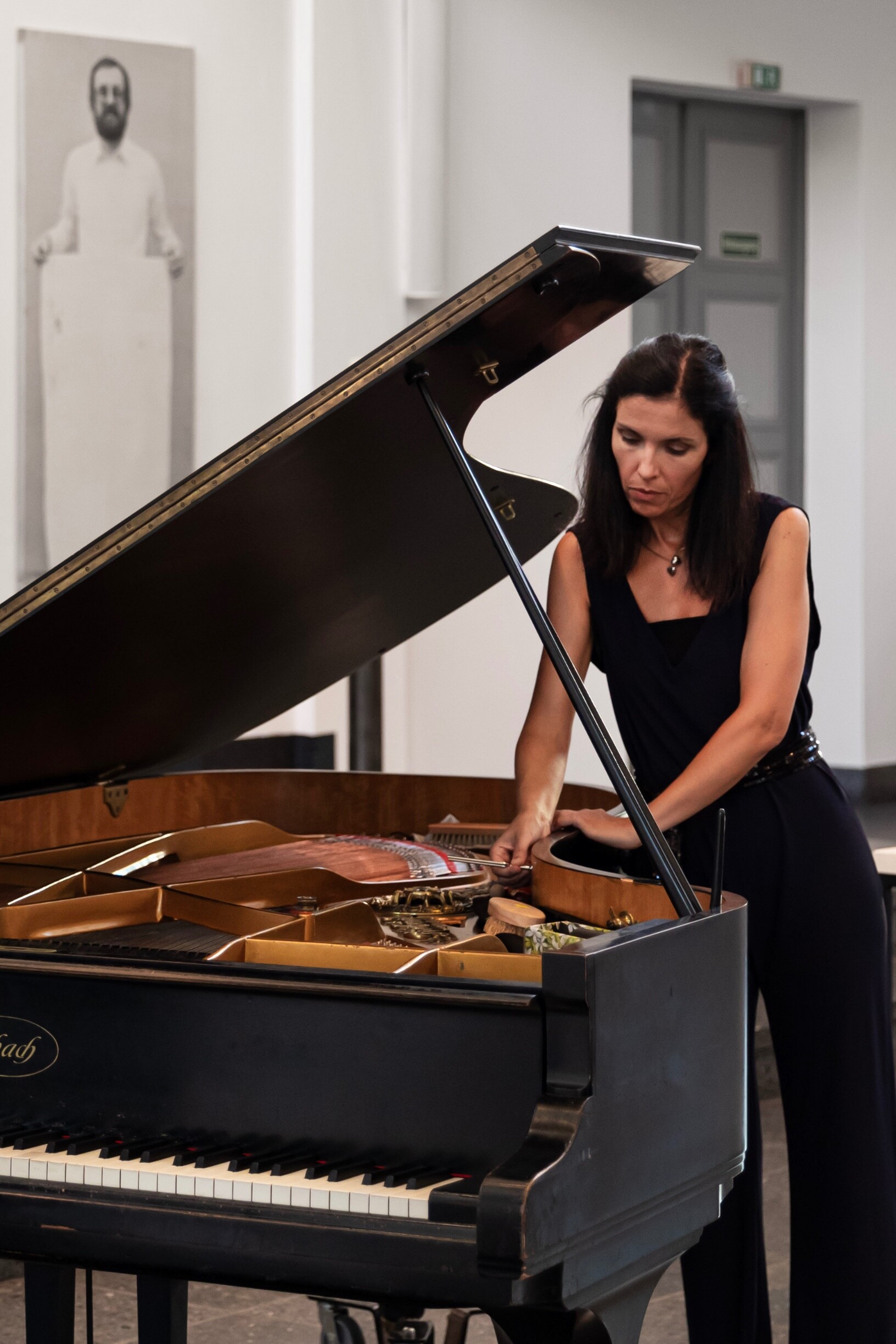
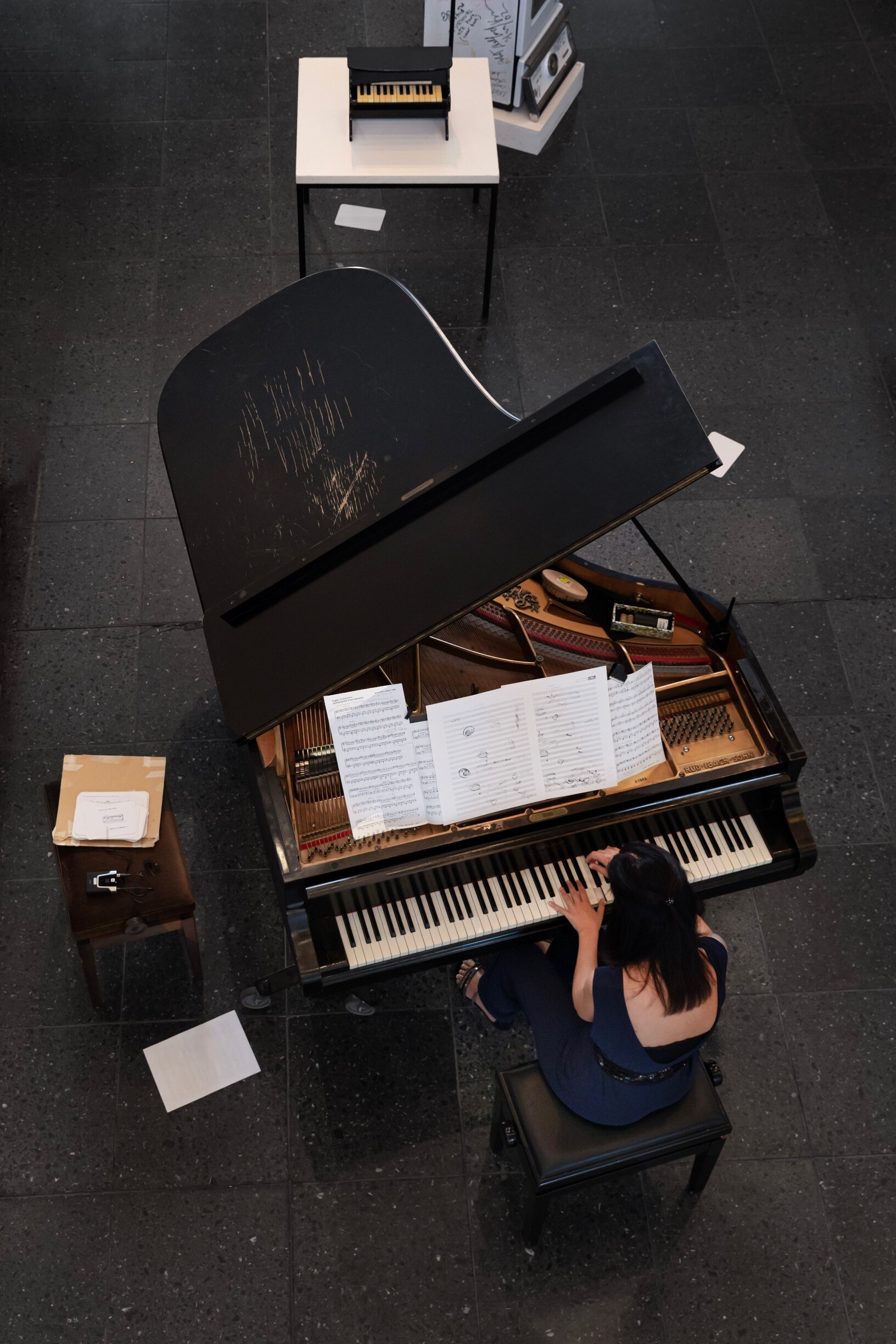
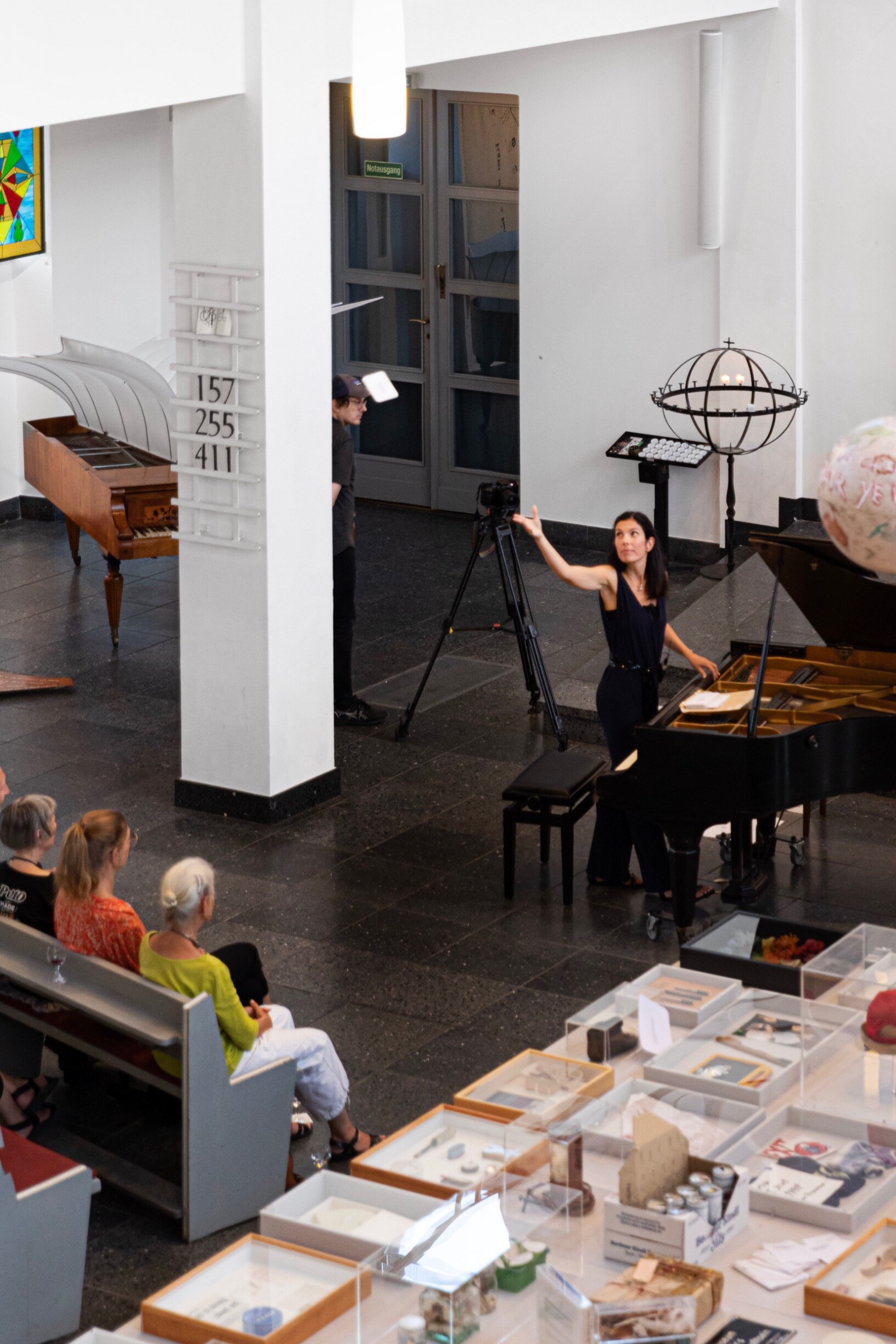
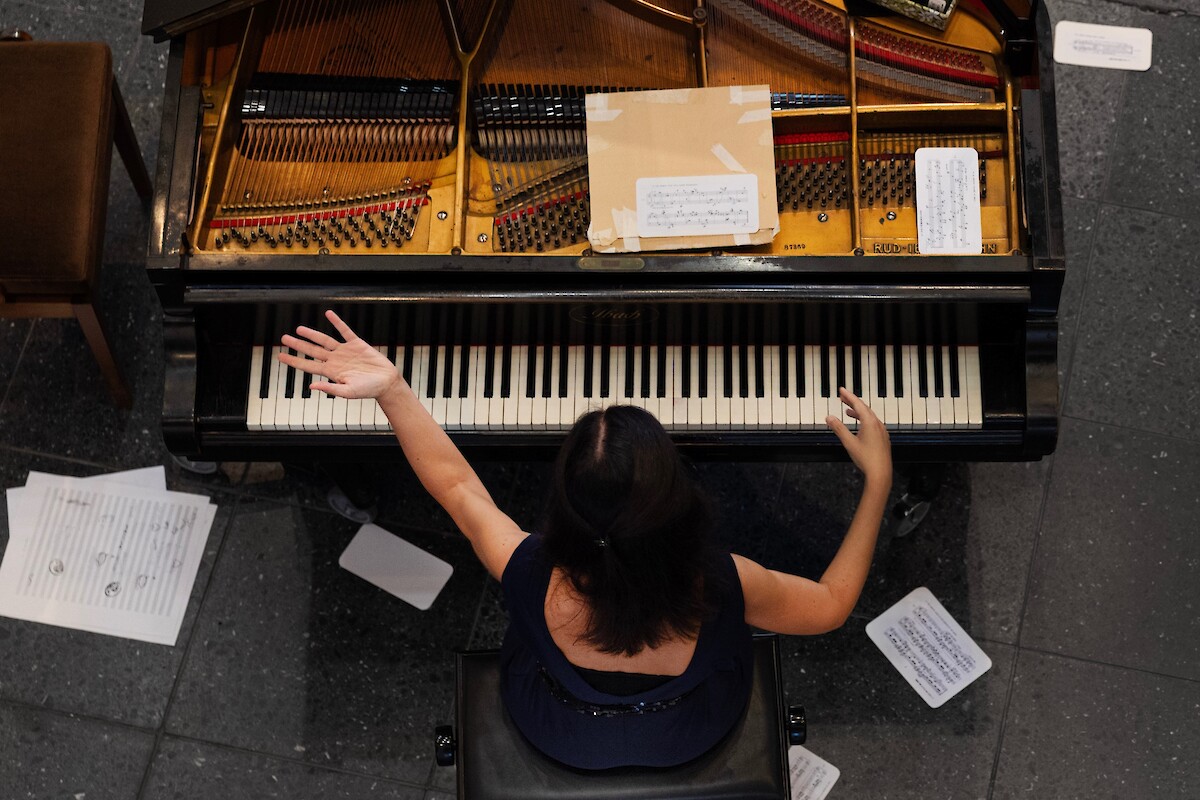
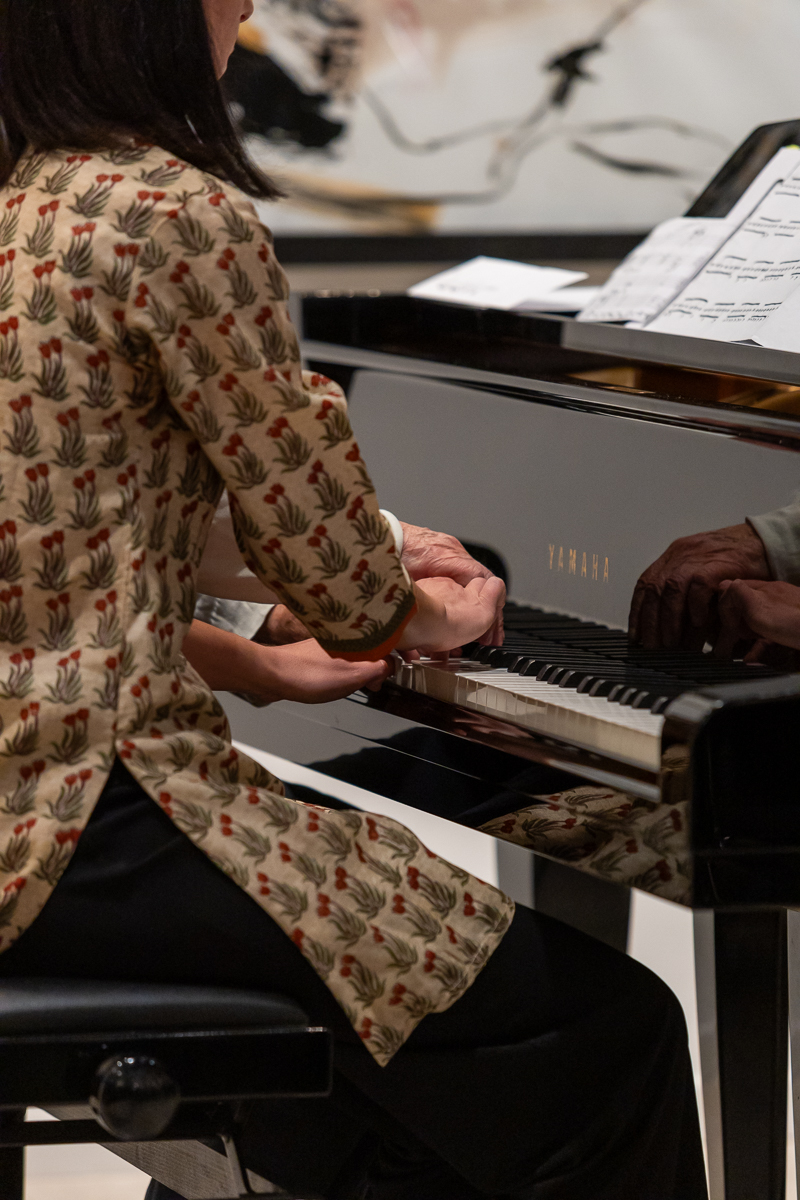
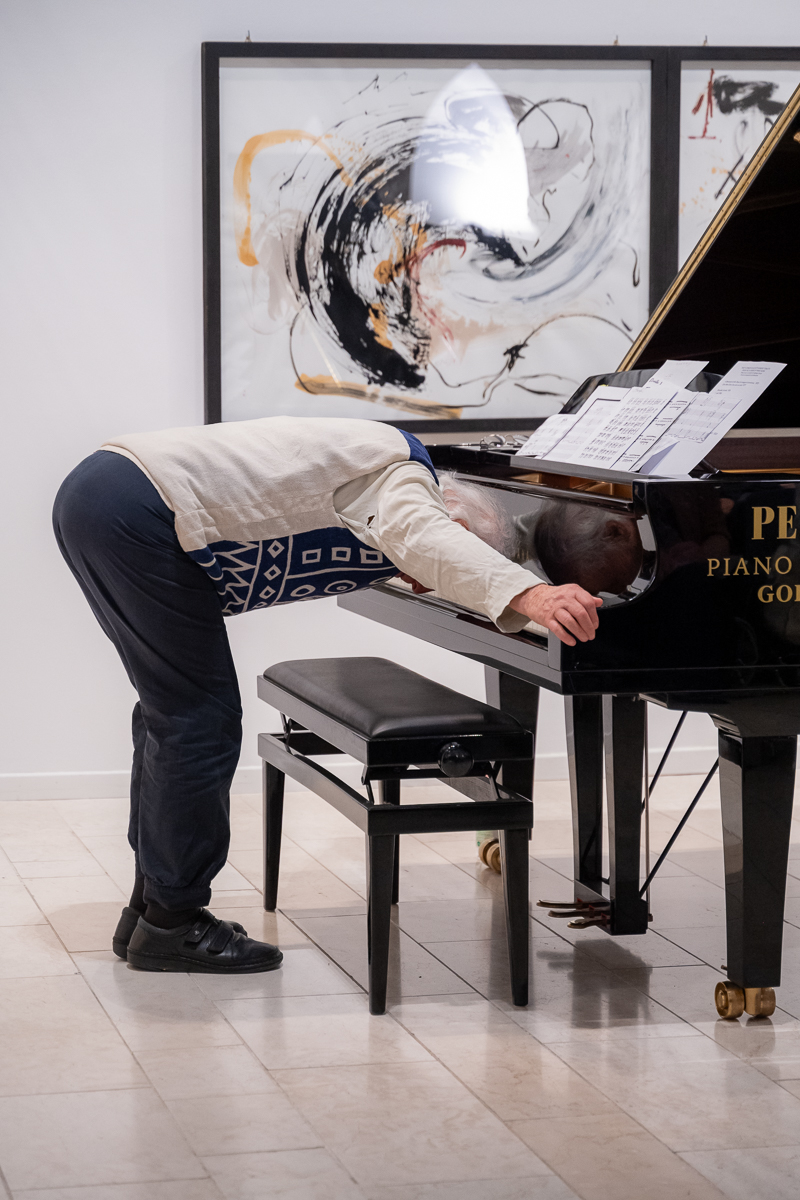
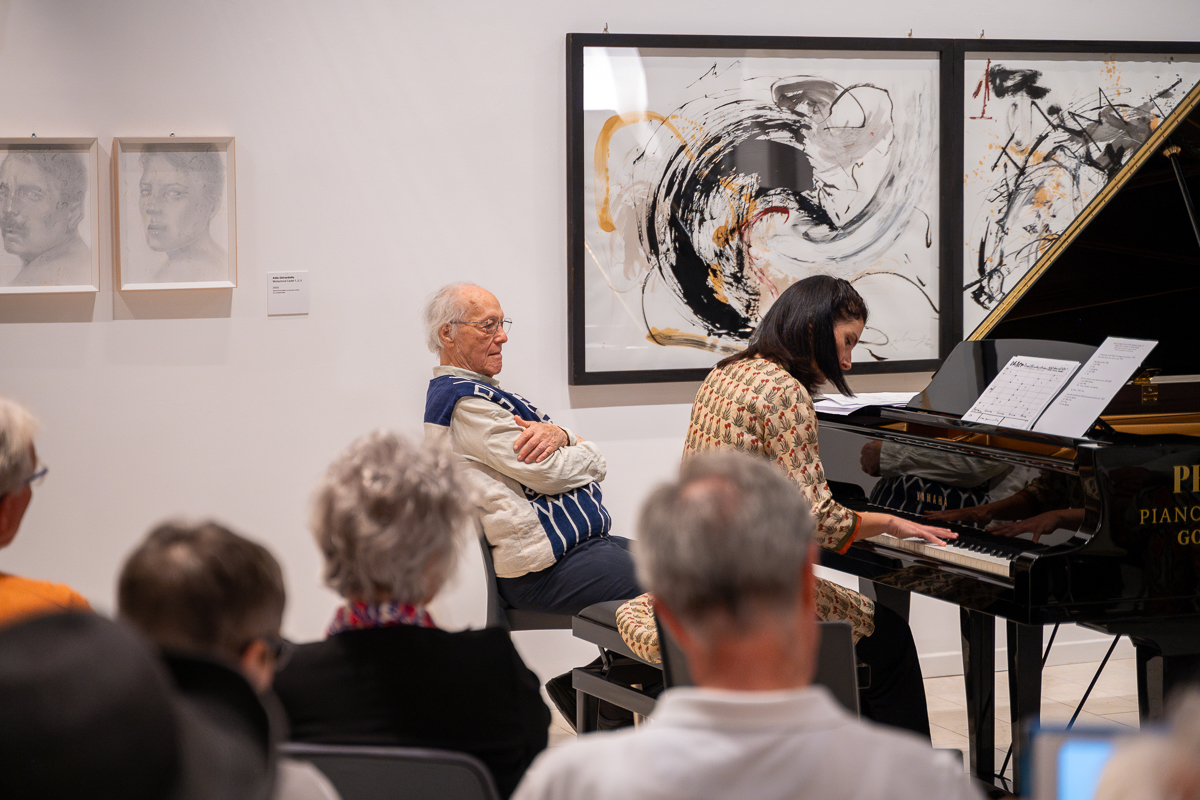
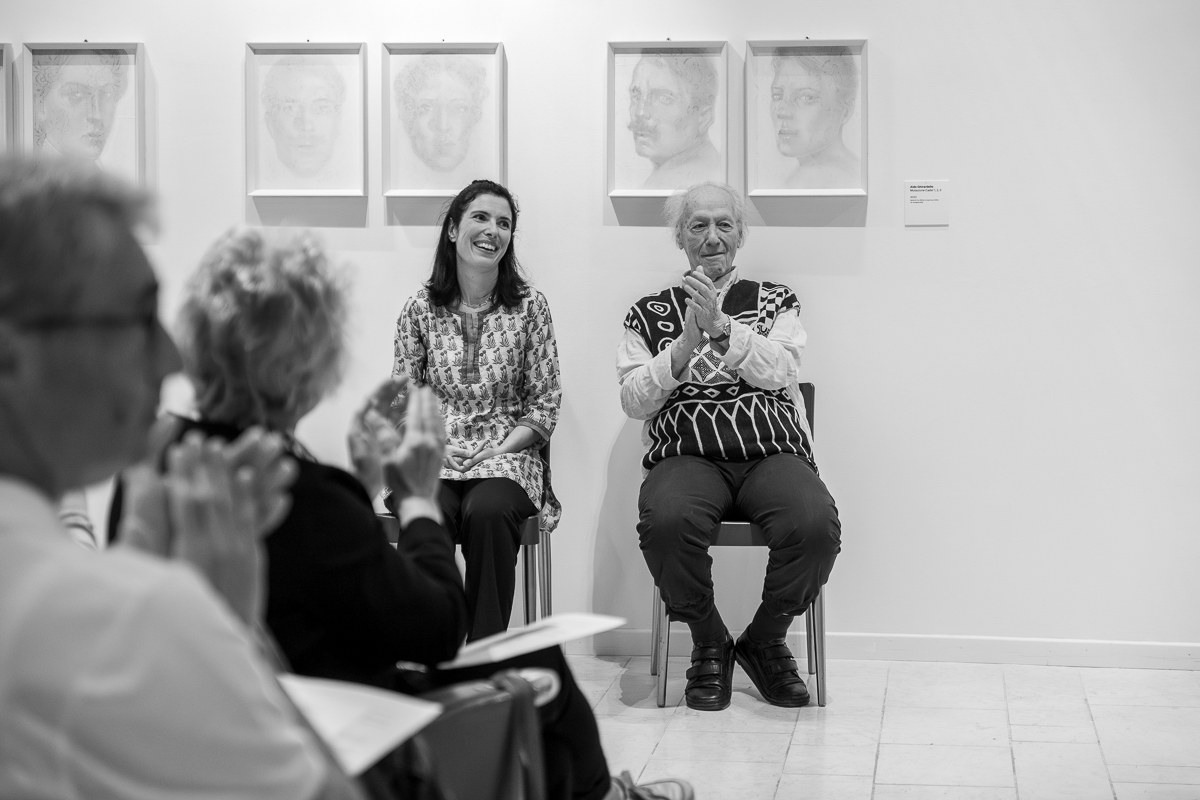
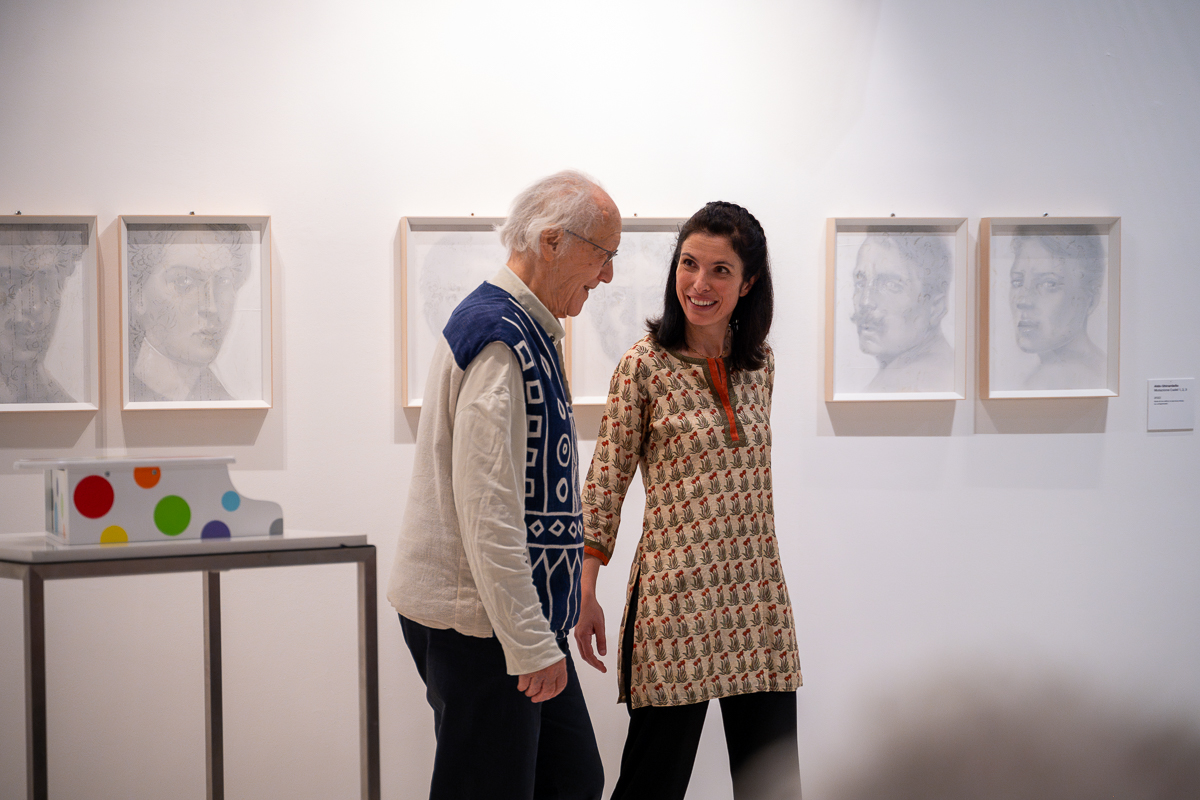
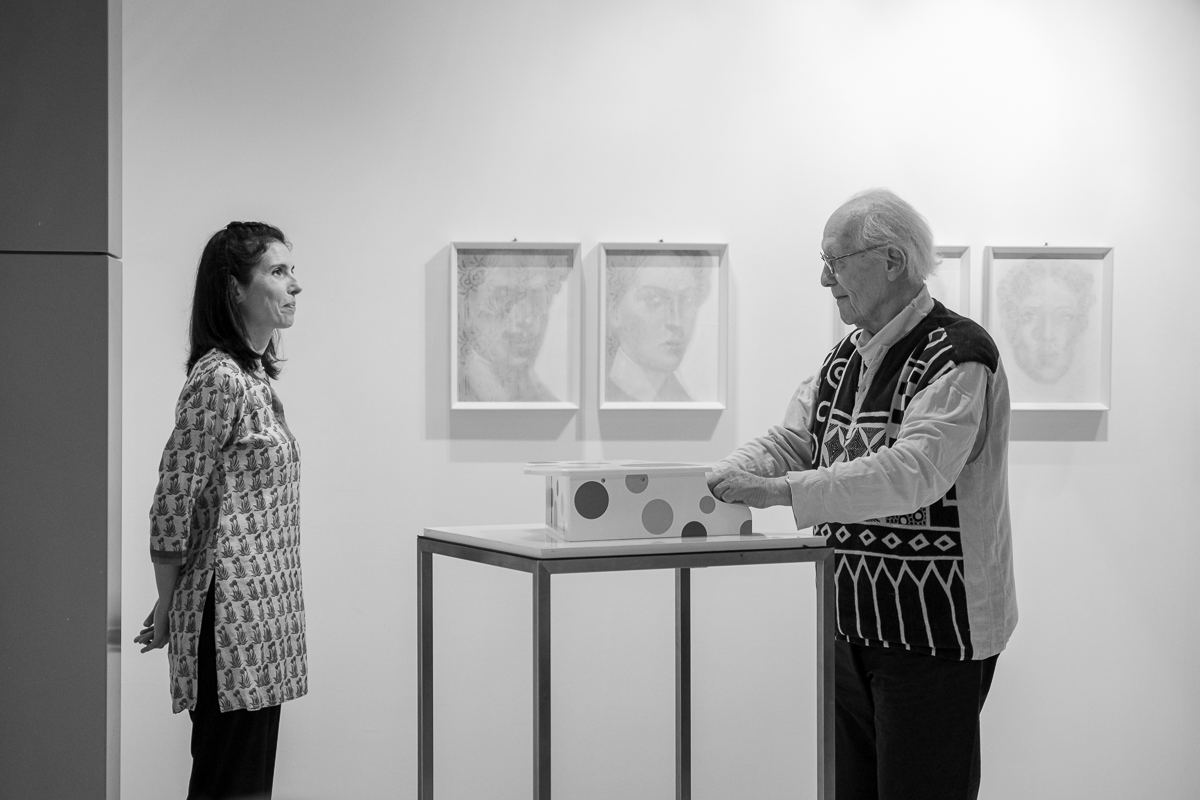
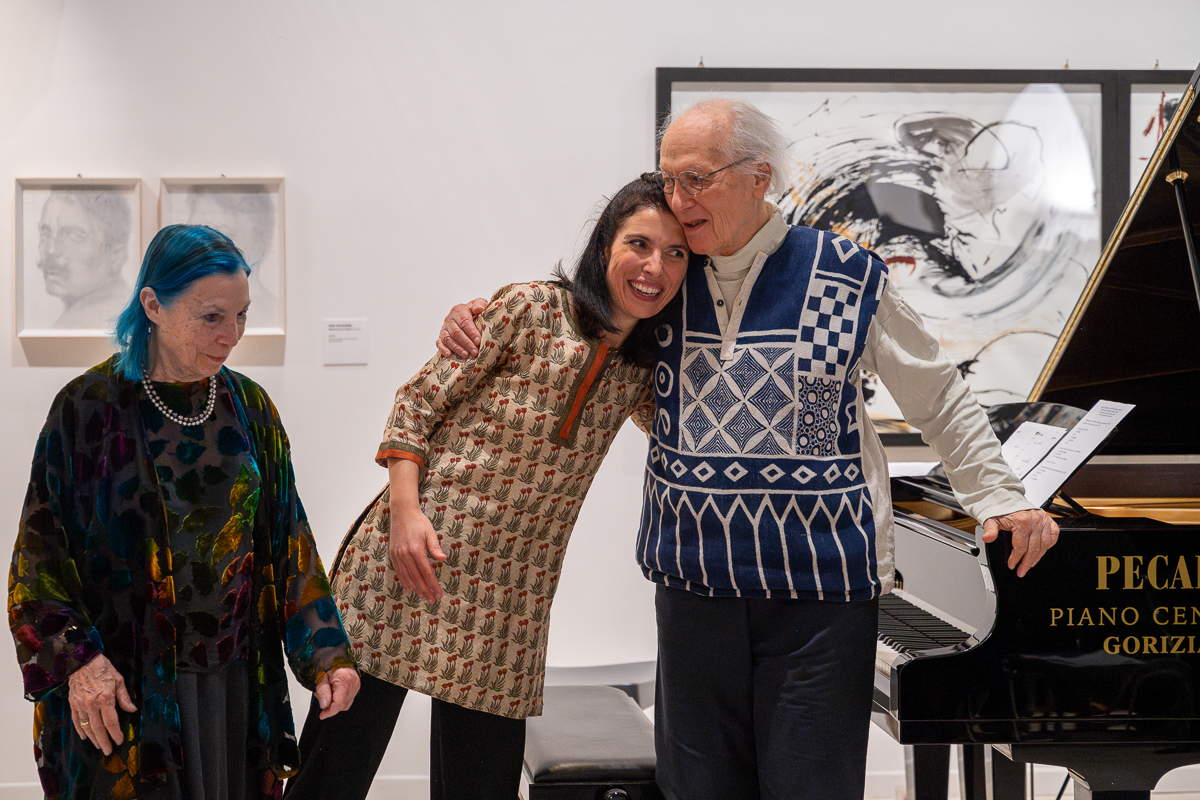
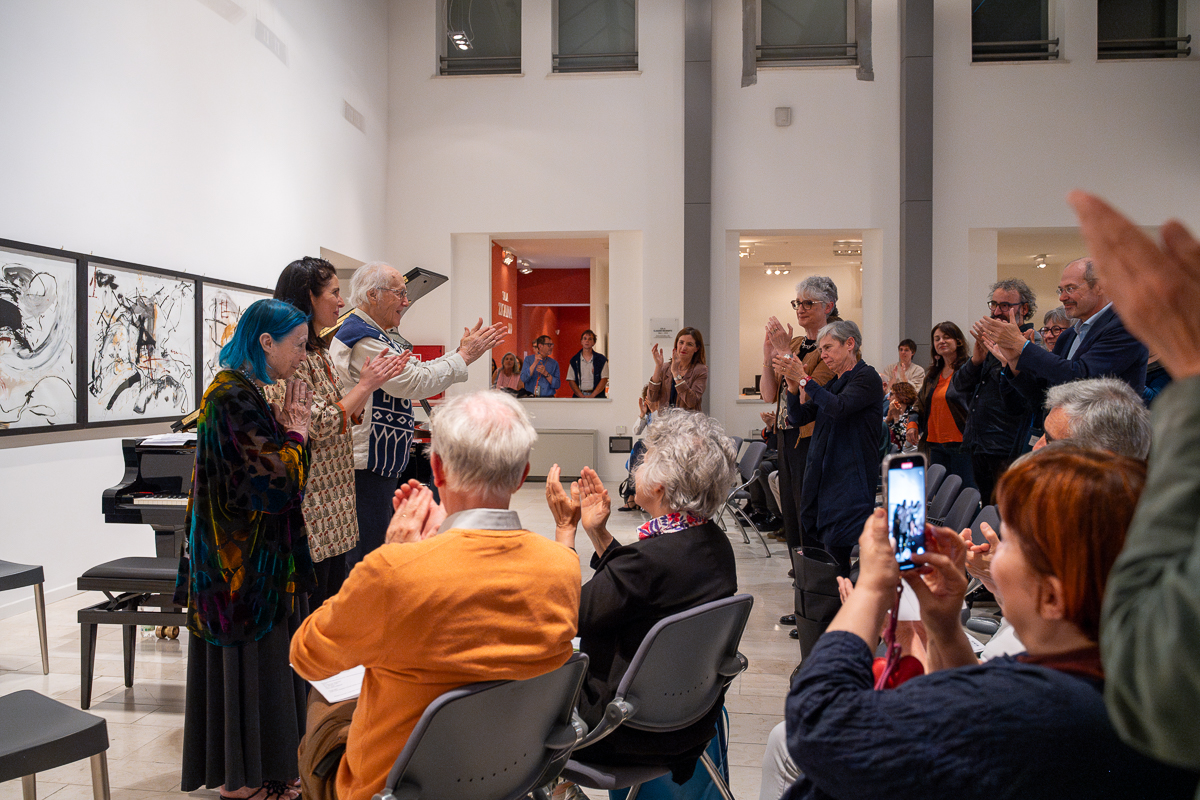
Sotto alcune immagini della serata scattate da Tobias Bulman. Nella prima potete vedere anche Jess, che mi ha graziosamente aiutato nella performance di Piano Works: A Movement per pianista e operatore di Corner. Grazie Henry, Jess e Tobias; lunga vita a The Hotel e a tutte le iniziative che come questa contribuiscono con passione a rendere vivo il mondo dell’arte!
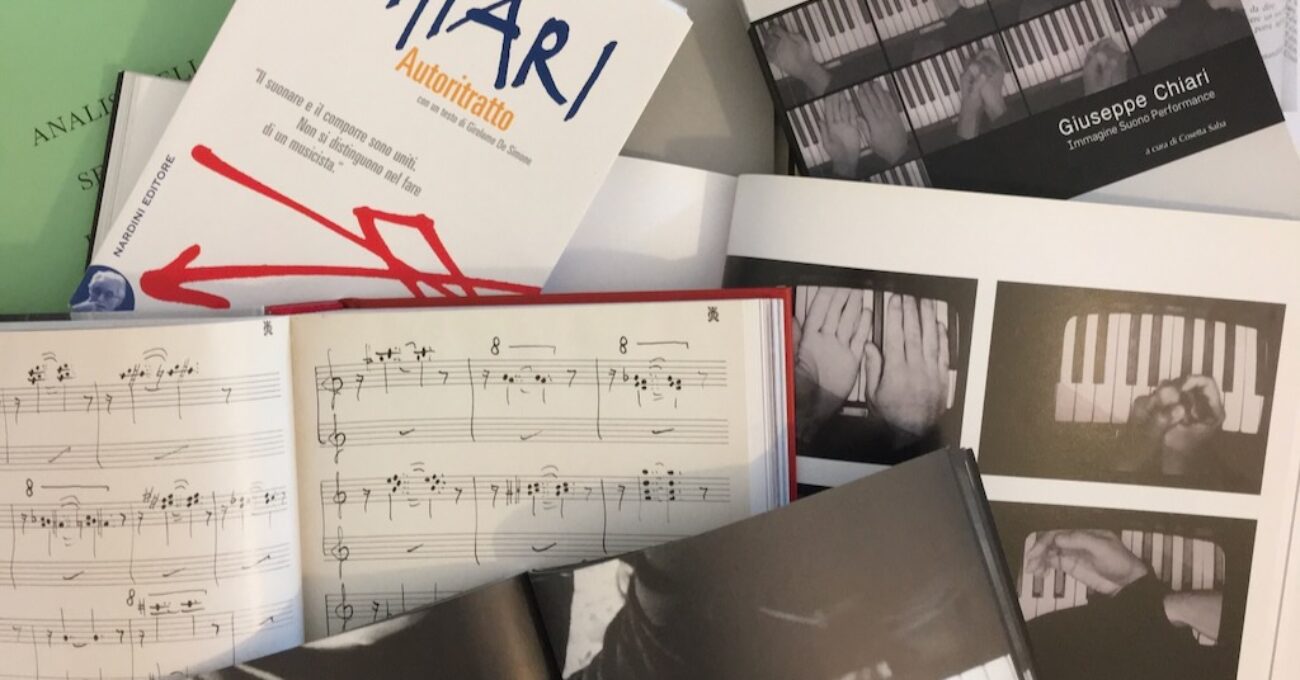
Una bella giornata davvero quella al MAMBo – Museo di Arte Moderna a Bologna sabato 26 settembre. E’ stato un vero piacere far parte delle celebrazioni per il centenario di Giuseppe Chiari, visitare la bellissima mostra e ascoltare l’esecuzione incantatoria dei Metodiper suonare fatta da Deborah e Chiara.
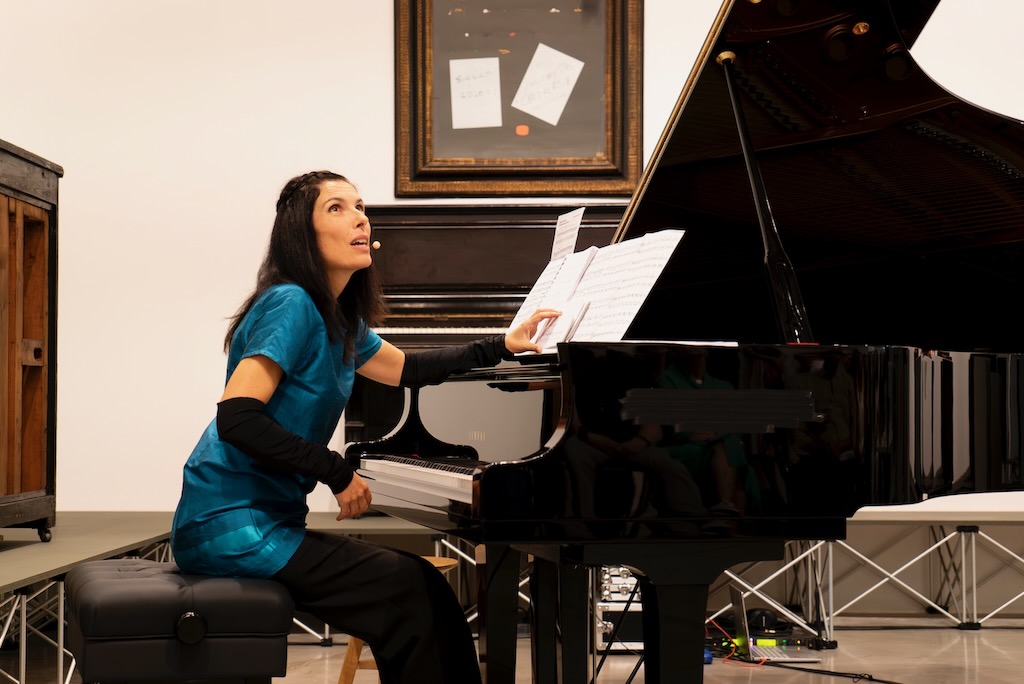
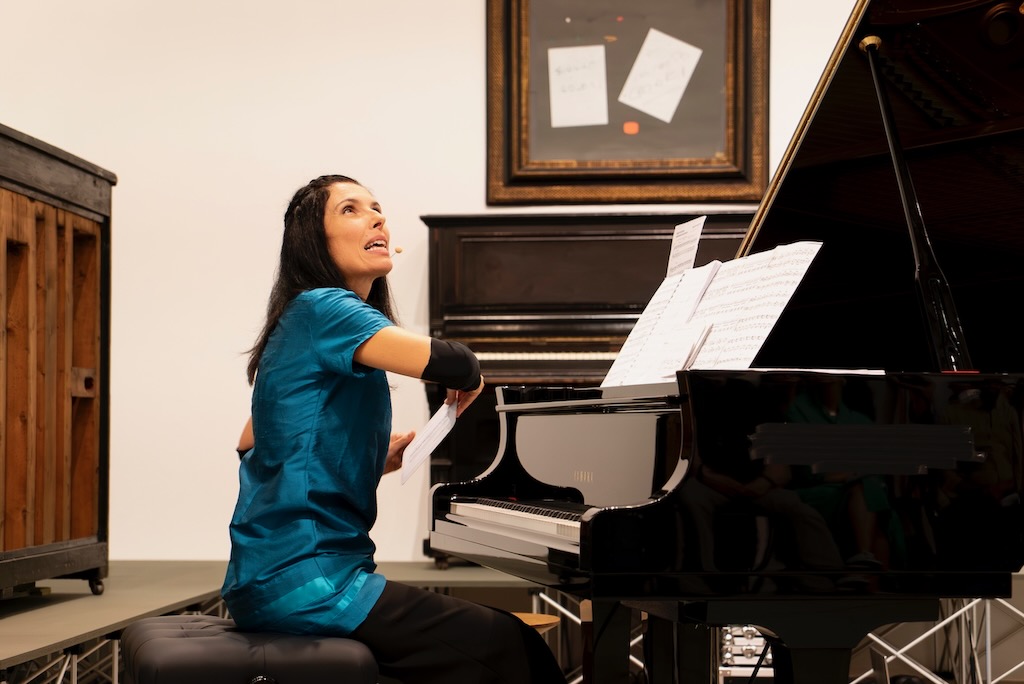
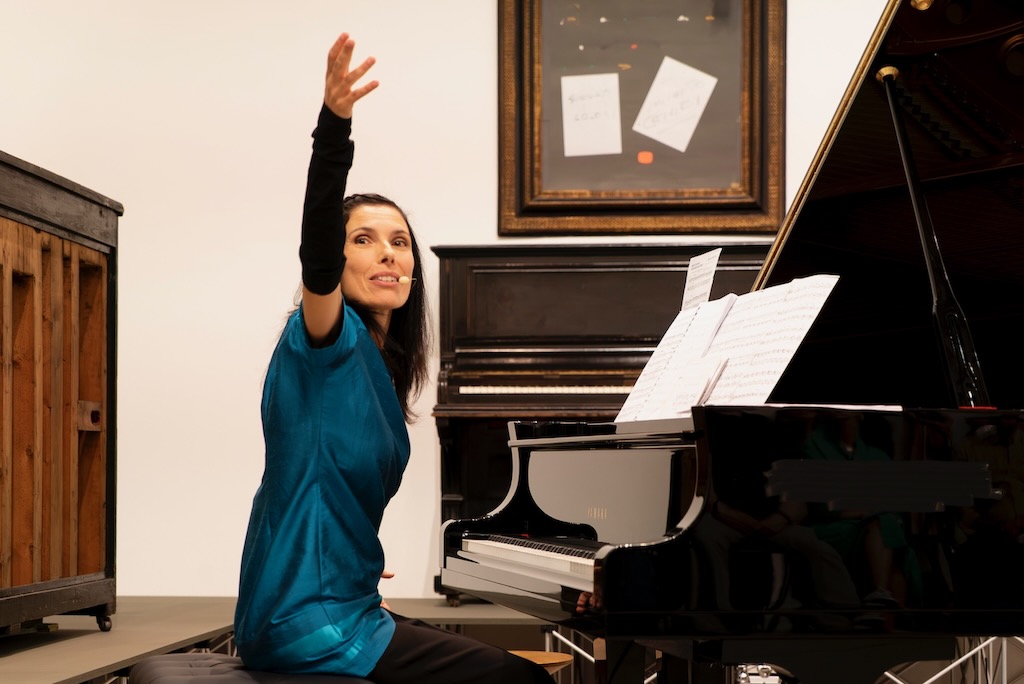
Qua potete trovare la recensione completa del doppio evento a firma di Paolo Carradori per Le Salon Musical. Qui sotto ne riporto un estratto interpolato da qualcuna delle immagini concesse cortesemente dal Comune di Bologna | Settore Musei Civici | MAMbo – Museo d’Arte Moderna di Bologna scattate da Ornella De Carlo.
Agnese Toniutti redige un programma Fluxus Cardboards For Giuseppe Chiari Solo che coinvolge compositori che non solo hanno preso parte più o meno attiva al movimento/non-movimento Fluxus (del quale il compositore fiorentino è stato unico italiano a far parte come membro ufficiale dal 1962) ma condividono con lui una stessa visione della ricerca, della sperimentazione, dell’azione musicale: Philip Corner, Giancarlo Cardini e Mieko Shiomi.
Intervalli n.2, Do, che fa parte di un ciclo pianistico di dodici parti, è un buon biglietto d’ingresso nel mondo di Chiari. Blocchi accordali roteano sospesi, si rincorrono, vanno come a riempire uno spazio indefinito, si accumulano creando tensioni. […] La Toniutti cesella ogni elemento, gli offre una forma cangiante in uno scenario dove ritmo esecutivo e gesto, completano una lettura profonda. Con Exstensions of Giuseppe Chiari’s “DO” e Giuseppe Chiari’s “DO”further extendedCorner gioca, elabora, dilata gli intervalli. Estensioni che rigenerano suoni nuovi, percorsi imprevisti, angoli acuti, cascate luminose. Corner usa i materiali di Chiari, li evoca, come rampa di lancio per nuove esplorazioni, in un dialogo a due dove si afferma che la partitura non è mai definitiva.
Se Chiari è soprattutto conosciuto, anche da chi frequenta poco la contemporanea, per Gesti sul piano(una lunga gestazione che va dal 1962 al 1976) una ragione di fondo ci sarà. Probabilmente perché è tra i primi esempi di musica da vedere, filo diretto con la poetica Fluxus. […] Una musica d’azione mai uguale a se stessa, plastica, imprevedibile. La Toniutti, che sa benissimo che anche il proprio ruolo, il suo rapporto con lo strumento è costantemente in discussione, sceglie la strada di un prosciugamento dell’aspetto performativo a favore di una radicale ricerca sonora.
L’ultima violenta vibrazione dei gesti ancora vaga quando si apre lo scenario su Foglie d’autunno lentamente trascolorano. Potremo definire Cardini una piacevole anomalia nel quadro della nuova musica del secondo Novecento. Che ci fa in quel contesto di ricerca estrema un compositore che dichiara di amare incondizionatamente la melodia? A Bologna la risposta ce la dà la pianista friulana che conosce bene il compositore toscano proponendo questo breve capolavoro. Con Foglie d’autunno… Cardini dimostra come la melodia, depurata da luoghi comuni e vizi, ci possa raccontare attraverso bellezza, purezza del silenzio, poesia dell’attimo fuggente, le inquietudini, problematiche e fragilità dell’uomo contemporaneo. Nella trama cardiniana la traccia melodica evocata è sempre macchiata, ferita da un’inquietudine, un dubbio, che la rende attuale, mai scontata, mai sdolcinata. Nel gioco delle amicizie, complicità e dediche Chiari tra il 1997 e il 1998 scrive PCA (Per Cardini) due fascicoli contenenti otto brevi composizioni pianistiche. Qui traspare l’intimità dello scambio dialogico, attraverso frasi brevi, asciutte. Il compositore pare volersi avvicinare alla poetica dell’amico, riuscendo solo a sfiorarla.
Il set della Toniutti si chiude con Direction music for a pianist della Shiomi. La pianista diviene anche voce narrante su frammenti poetici, riflessioni sull’arte e sulla vita. […] La performance crea una relazione diretta con il pubblico attraverso i cartoncini come oggetti musicali, la parola, il monologo, il pianoforte inteso come congegno capace di generare un’azione amplifica la capacità comunicativa del lavoro.
Sabato 26 settembre alle ore 17.00 aprirò il finissage della mostra dedicata a Giuseppe Chiari al MAMBo – Museo di Arte Moderna di Bologna. Fluxus Cardboards for Giuseppe Chiari segue gli intrecci artistici e umani tra membri e simpatizzanti del movimento Fluxus. Suonerò alcuni lavori in prima esecuzione: una collezione di pezzi di Giuseppe Chiari dedicati a Giancarlo Cardini e due composizioni di Philip Corner ispirate a Chiari, oltre a brani di Chiari, Giancarlo Cardini e Mieko Shiomi.
Dalle mie note di sala: “Il programma mette in relazione tre composizioni di Giuseppe Chiari appartenenti a diverse fasi creative – compreso il celebre Gesti sul piano che lo accompagnerà praticamente per tutta la vita – con i lavori di artisti che hanno preso parte al movimento/non-movimento corale e internazionale Fluxus. Giancarlo Cardini, Mieko Shiomi, Philip Corner sono compositori con cui ho avuto (e tuttora ho nel caso di Corner e Shiomi) il privilegio di potermi confrontare nell’interpretazione dei loro lavori. Philip Corner, tra i fondatori del movimento, dialoga direttamente con la musica di Chiari: l’idea generatrice di DO, il secondo degli Intervalli del 1950, si espande in varie metamorfosi riverberando nel mondo compositivo di Corner. Giancarlo Cardini (1940/2022), pianista e compositore, paladino della nuova musica e per una parte della sua vita creativa vicino a Fluxus, è uno degli interpreti di Gesti sul piano fino al 1972, quando lo stesso compositore ne prende in mano l’esecuzione. Proprio a Cardini sono dedicati i due fascicoli di PCA, scritti rispettivamente nel 1997 e nel 1998. Alcuni dei numeri della raccolta sono stati eseguiti da Cardini in occasione del concerto per gli 80 anni di Chiari; l’intera opera è qui in prima esecuzione. Le “cardboards” a cui si riferisce il titolo sono quelle della composizione di Mieko Shiomi, oggetti performativi, frammenti poetici che aprono gentilmente il campo a una riflessione sull’arte che Giuseppe Chiari, già presente al primo festival Fluxus di Wiesbaden nel 1962, condurrà poi in modo sistematico, mettendo in discussione attraverso le sue azioni musicali i grandi significati condivisi di musica, musicista, strumento, e il loro ruolo ideale e reale nella società.”
Ecco la lista dei prossimi concerti – very much looking forward!
° 24 agosto 2026 – London, Cafe OTO in collaborazione con The Hotel: Agnese Toniutti plays Philip Corner, musiche di Philip Corner Info Bookings
° 26 settembre 2026 – Bologna, MAMBo Museo di Arte Moderna di Bologna in collaborazione con Angelica: Fluxus Cardboards for Giuseppe Chiari, musiche di Giuseppe Chiari, Philip Corner, Giancarlo Cardini, Mieko Shiomi Info Bookings
° 17 ottobre 2026 – Reggio Emilia, Festival Aperto: Open Cage, musiche di John Cage, Tan Dun Info Bookings
Il 26 settembre, giorno del compleanno del compositore, suonerò a Bologna al MAMBo – Museo d’Arte Moderna di Bologna un recital dedicato a Giuseppe Chiari. Il MAMBo offre infatti la prima retrospettiva istituzionale completa del lavoro di Giuseppe Chiari in occasione dei cento anni dalla nascita.
Il programma del concerto, Fluxus Cardboards for Giuseppe Chiari, si rivolgerà ai rapporti di lunga data con il movimento internazionale Fluxus, sia con i suoi membri che con l’attitudine condivisa dell’eterogeneo gruppo. Oltre alle composizioni di Chiari scritte in diversi periodi creativi – prima, durante e dopo il celeberrimo Gesti sul piano – ci saranno composizioni di Philip Corner (ispirate a Chiari), Giancarlo Cardini (amico, interprete e sodale del compositore) e Mieko Shiomi, la cui composizione ben rappresenta il versante poetico dell’attitudine performativa Fluxus. More soon!
E’ un onore essere la “pianist of choice” (come scrivono nella presentazione) del compositore Philip Corner al CafeOTO di Londra il 24 agosto. Il programma sarà incentrato sulla musica di Philip. Spero possa dare un assaggio della sua versatilità creativa: comprenderà sia pezzi performativi che l’atonalità gioiosa degli anni ’50, l’amore per il barocco francese (Couperin primo fra tutti) e le grandi collezioni dell’ultimo decennio. Il pezzo più recente in programma è del 2026 – ovviamente! Ad ogni incontro con Philip Corner una partitura mi attende sul tavolo, accompagnata dalla lapidaria frase “this is the last one”. Ho imparato presto a capire che si riferiva al fatto che era l’ultima partitura in ordine di composizione, una mera osservazione cronologica, niente più.
Quindi sono al contempo contenta e consapevole del non facile compito di rappresentare la continua, vivace sorgente di creatività che sgorga dal compositore.
Il concerto è organizzato dall’etichetta The Hotel in collaborazione con CafeOTO in anticipazione dell’uscita dell’LP di Philip Corner’s ‘Passage Through: A Ritual’. Introdurrà il concerto la premiere del nuovo pezzo di Miles Lukoszevieze ‘Self-Shadowing Prey’ per live electronics e playback ensemble, ispirata agli scritti di Ghérasim Luca.
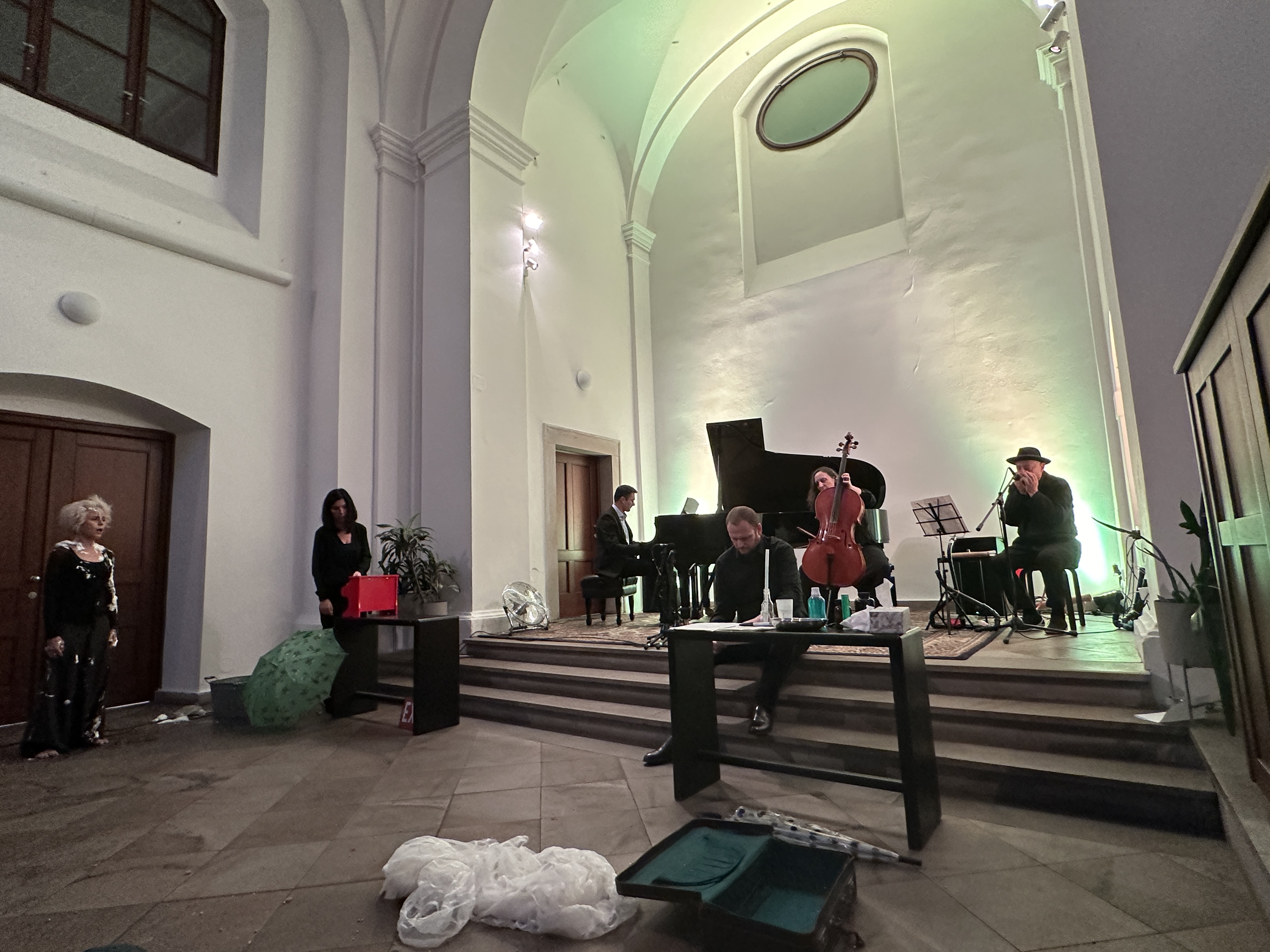
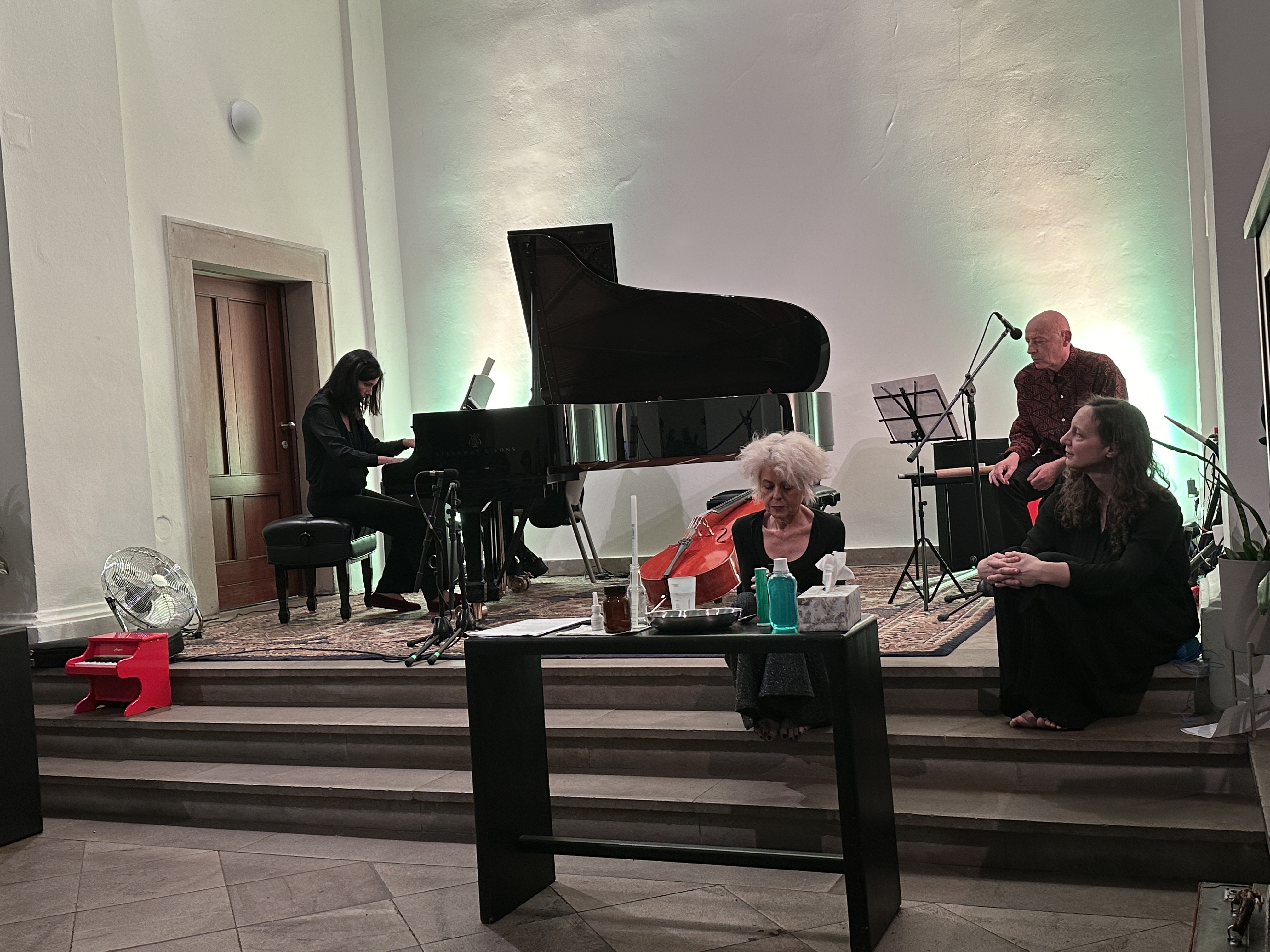
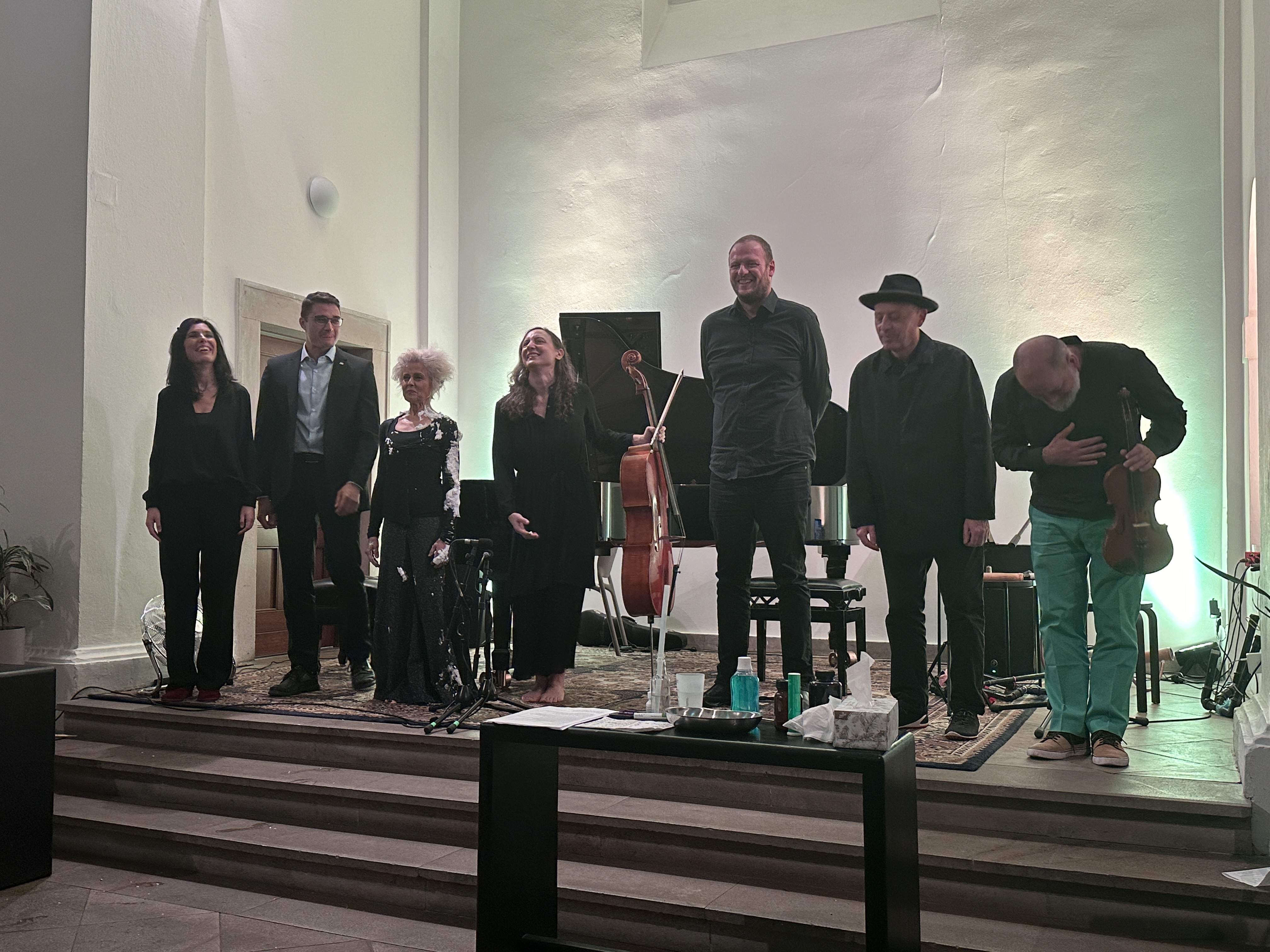
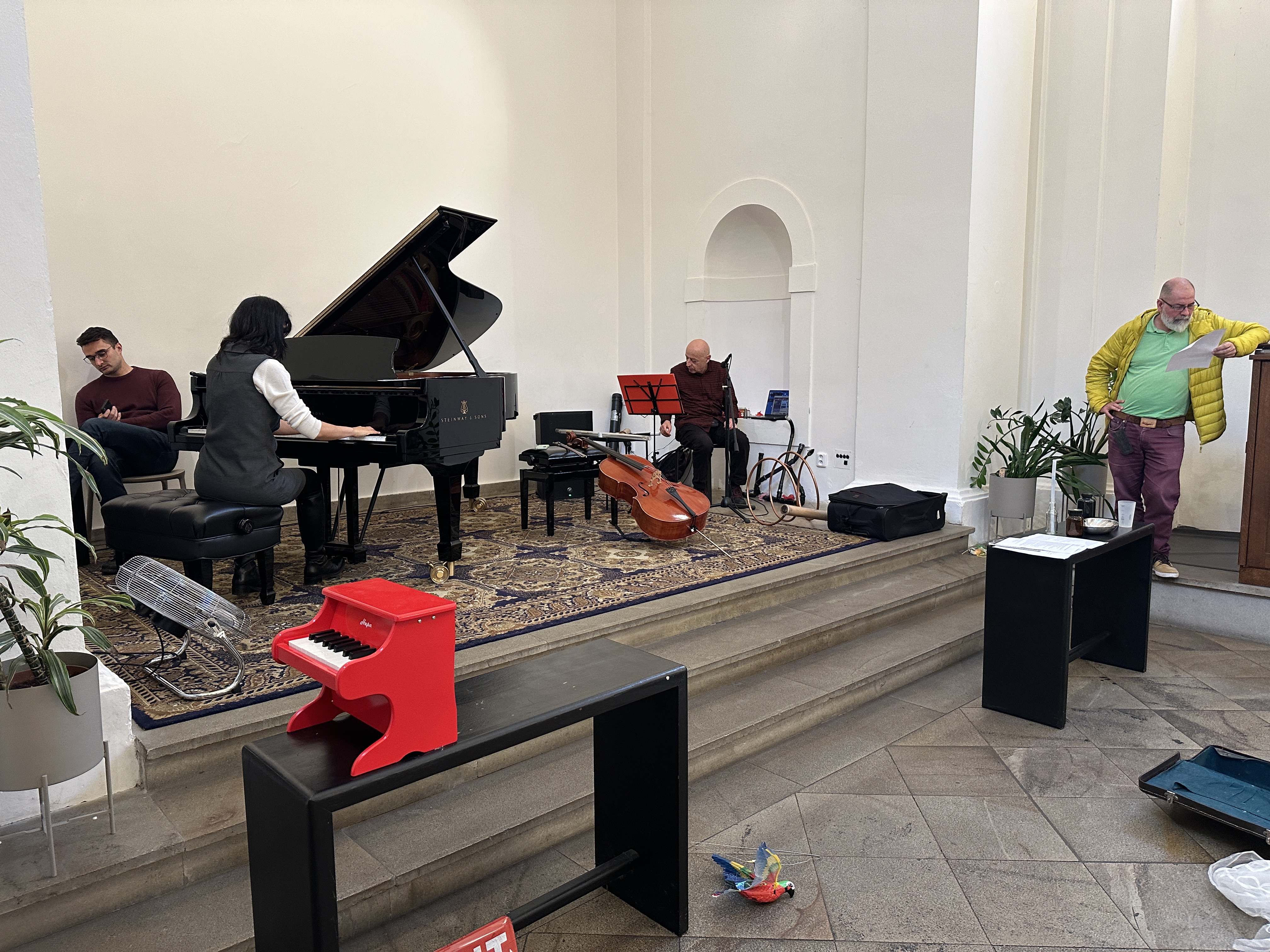
Ready to fly to Prague next week at Žižkov Atrium for LUXURY OF MIND = FLUXUS.
On the 28th November at 19.30
Anna Clementi (Germany, voice), Deborah Walker (Italy, cello), Luciano Chessa (Italy, Dan Bau, violin, organ), Werner Durand (Germany, wind instruments), Miroslav Beinhauer (Czechia, piano), Petr Bakla (Czechia, piano), Petr Ferenc (Czechia, spoken word) and me
will be ready to perform a quite unusual happening/concert with music by
John Cage, Milan Knizák, Henning Christiansen, Philip Corner, George Maciunas, Geoffrey Hendricks, Yoko Ono, Giuseppe Chiari, Terry Riley, Eric Andersen, Dieter Schnebel, Bengt af Klintberg, Mieko Shiomi, Ovvind Fahlström, Sten Hanson, Nam June Paik, La Monte Young.
I bet it will be fun!
All started from an idea by Petr Studený and Opening Performance Orchestra in Prague, that led to the release of Stolen Symphony, the first volume of Fluxus&NeoFluxus collection, and now, brand new, to the second and final part, Keep together (Sub Rosa label, 2024). As the previous one, it’s a limited edition (400 copies) of double LP or double CD, with a very rich booklet with many texts and essays about Fluxus. But differently from the first, which is sold out, there are still copies available! I played a La Monte Young-inspired piece, and re-released music by Philip Corner and Giancarlo Cardini (also in Neuma Records and Da Vinci Classics). Very happy to be part of this second edition with all the musicians I will soon meet in Prague and many others.
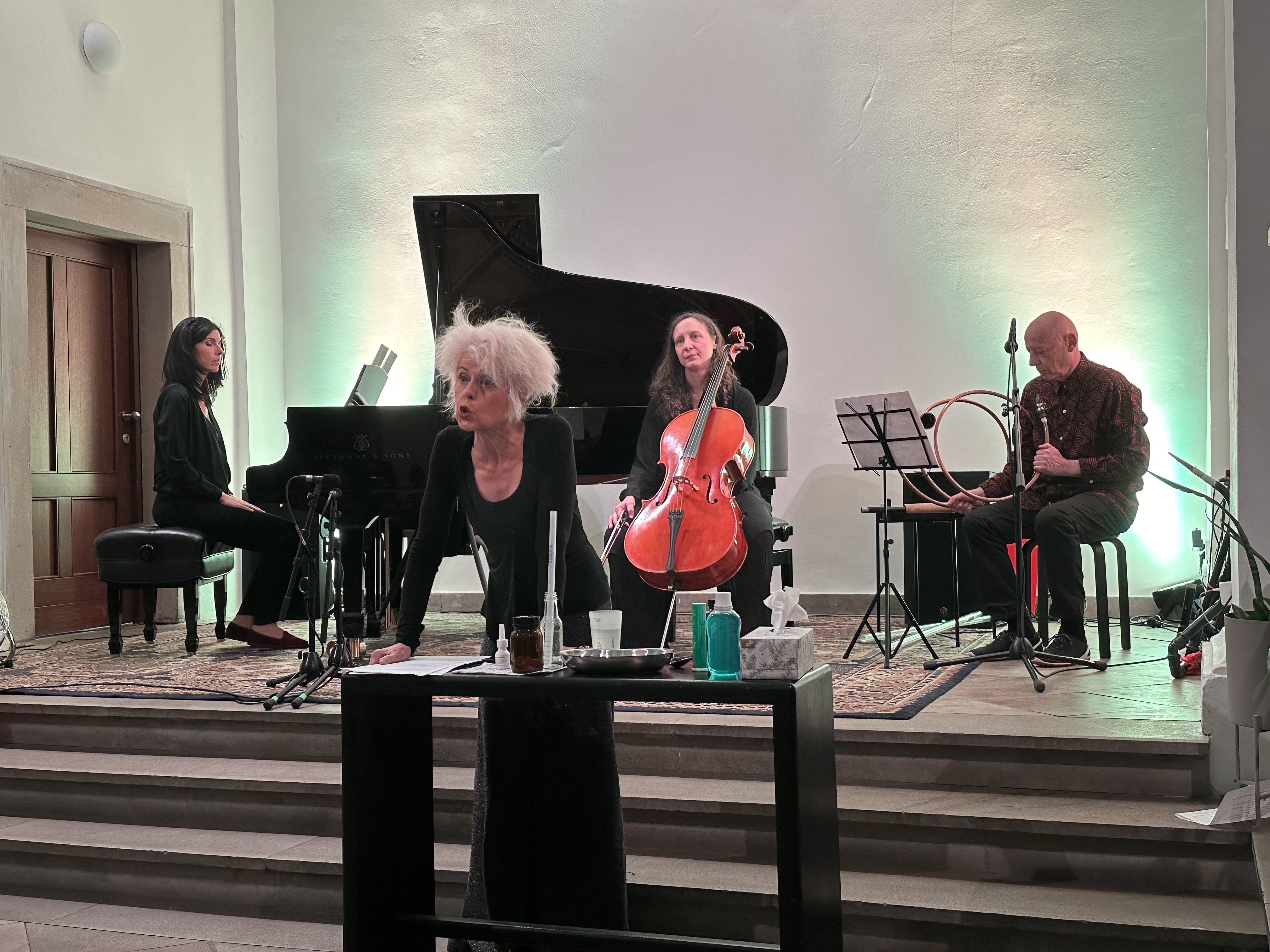
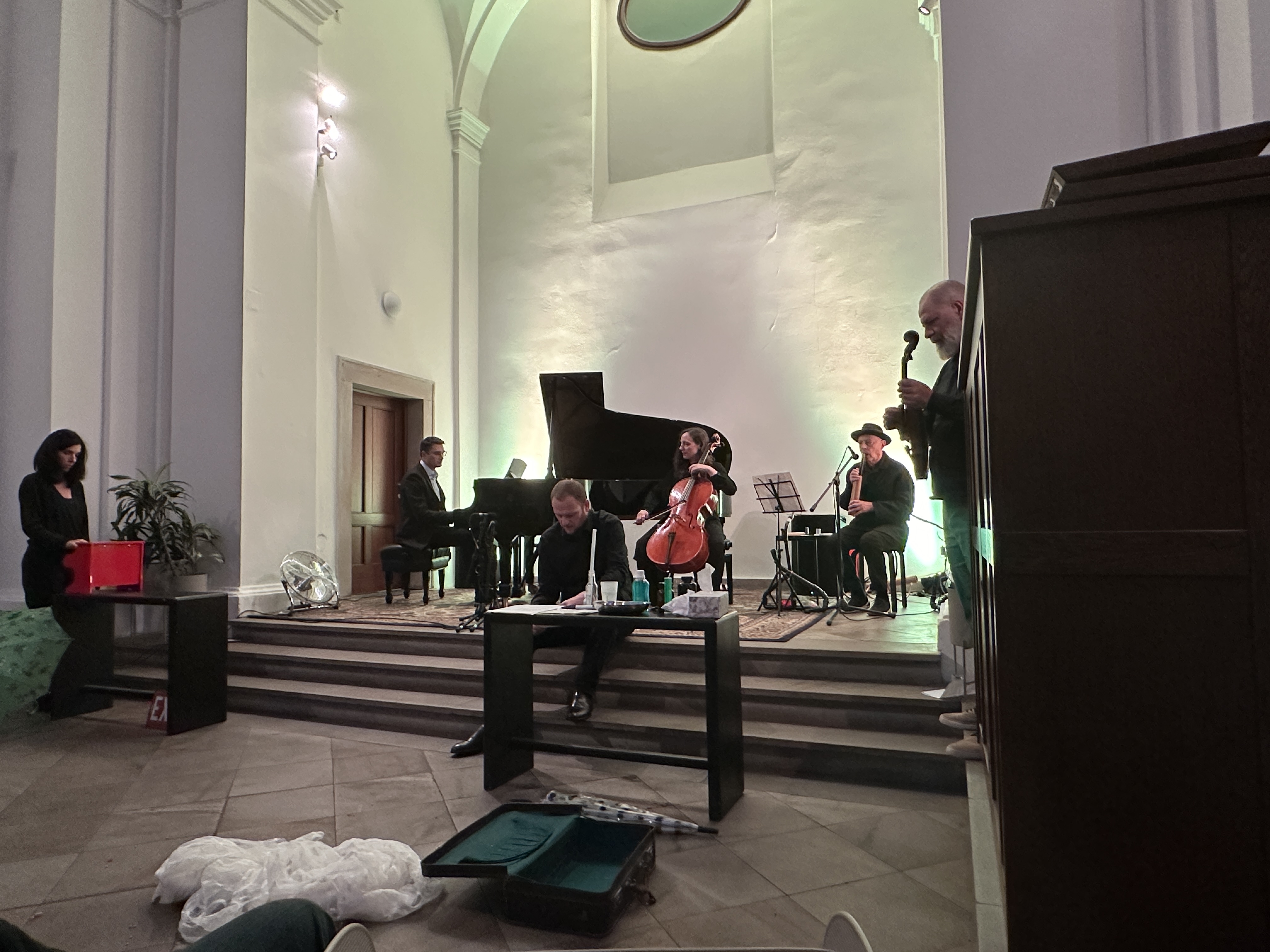
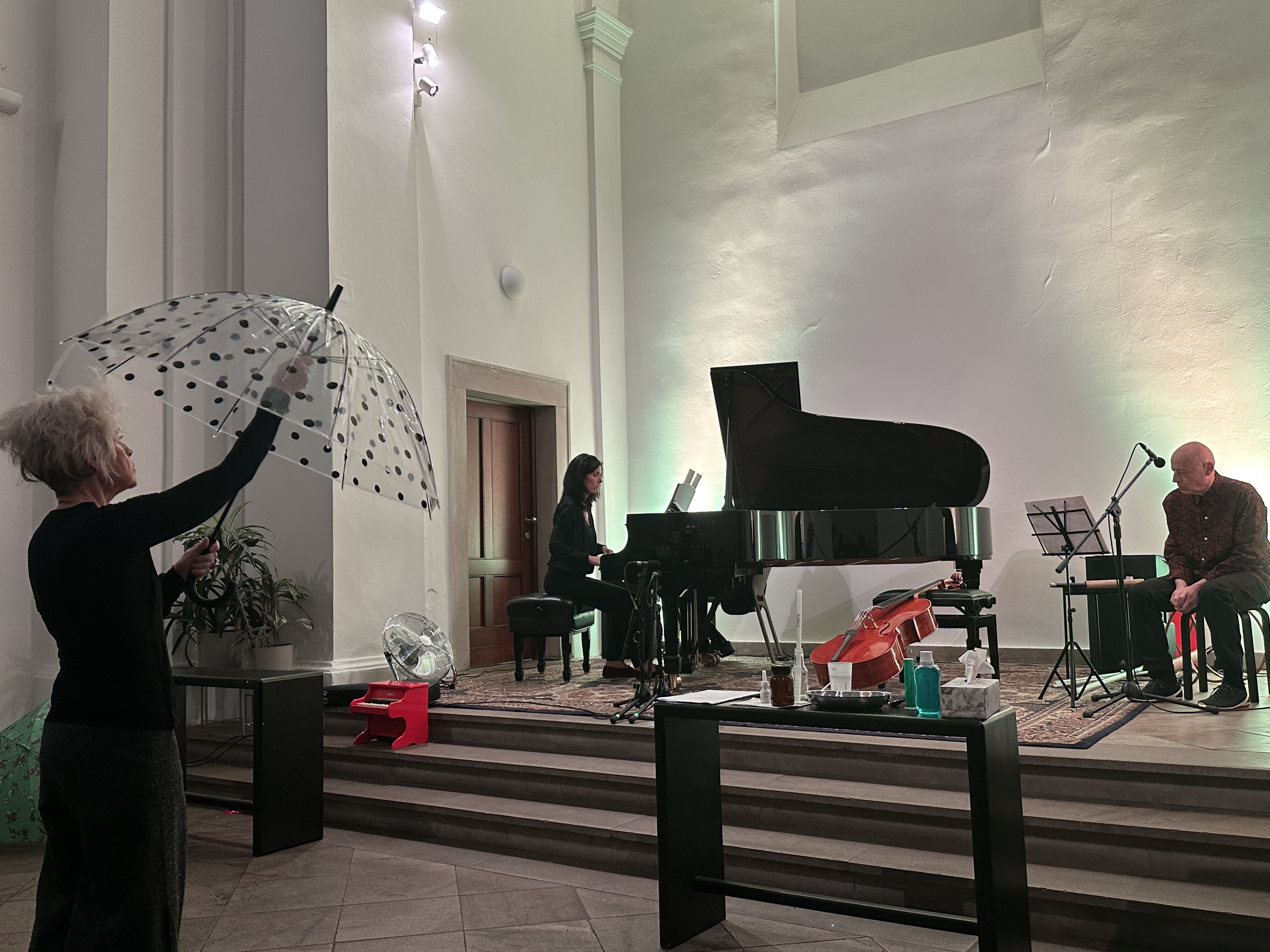
Some photos of the evening – almost three hours of music and performance! – and the rehearsals. Thanks to Petr Studený for the pics.
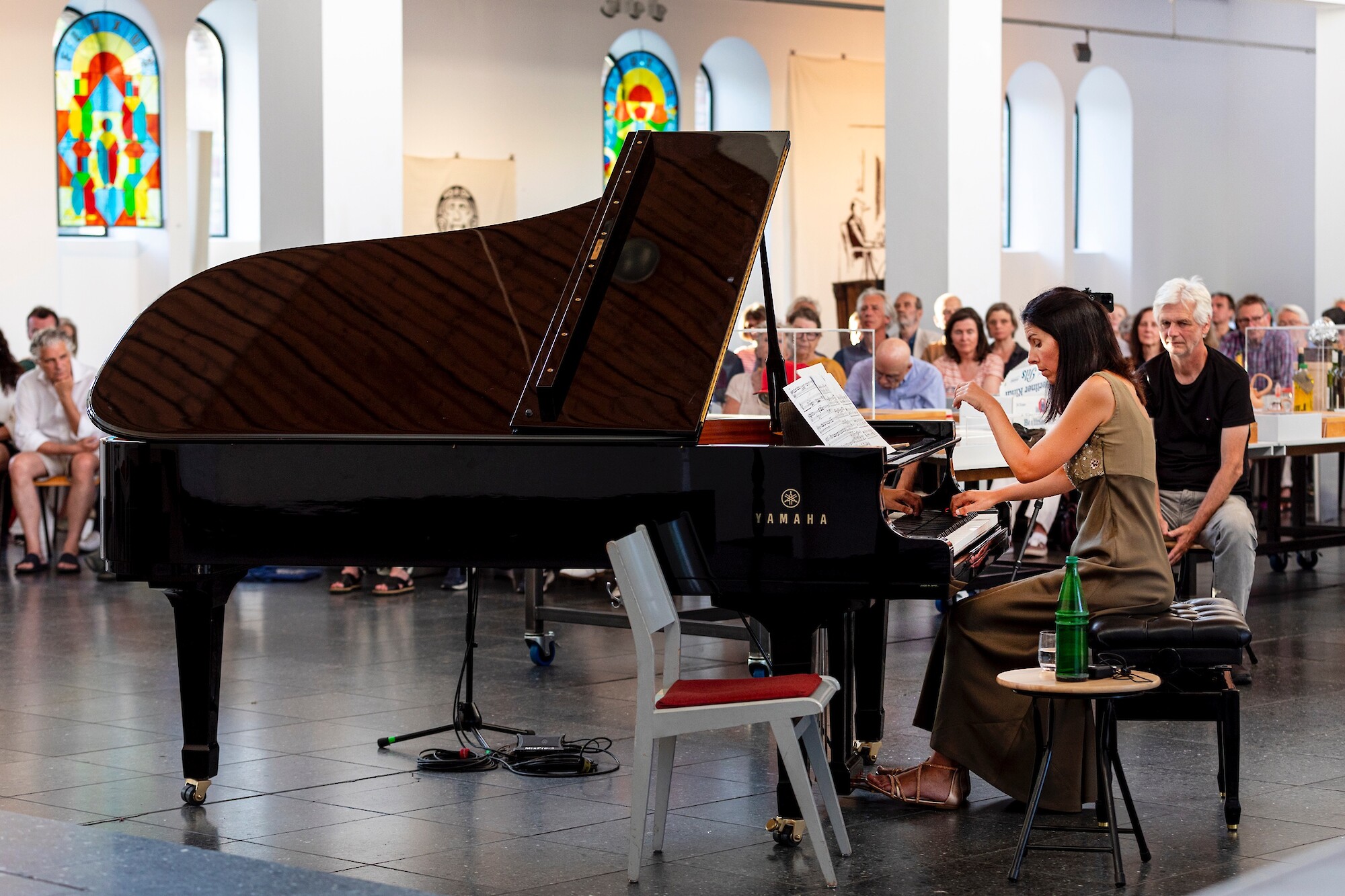
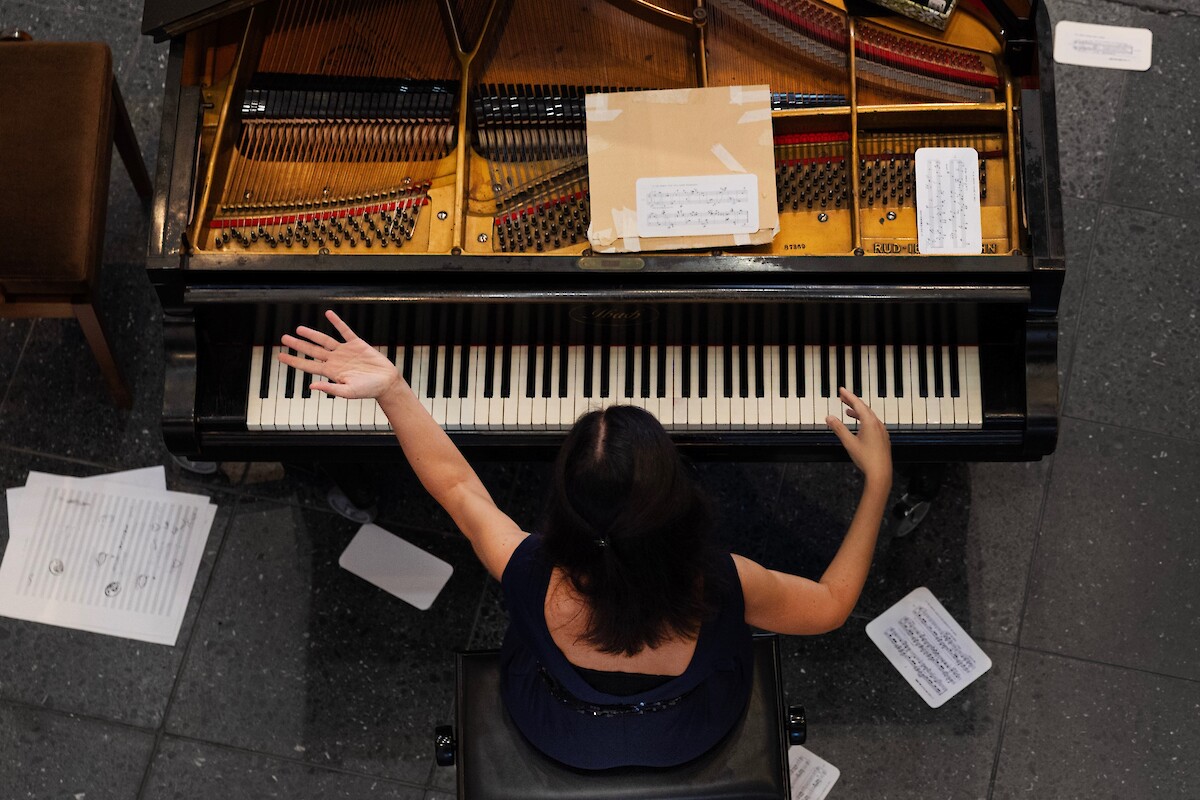
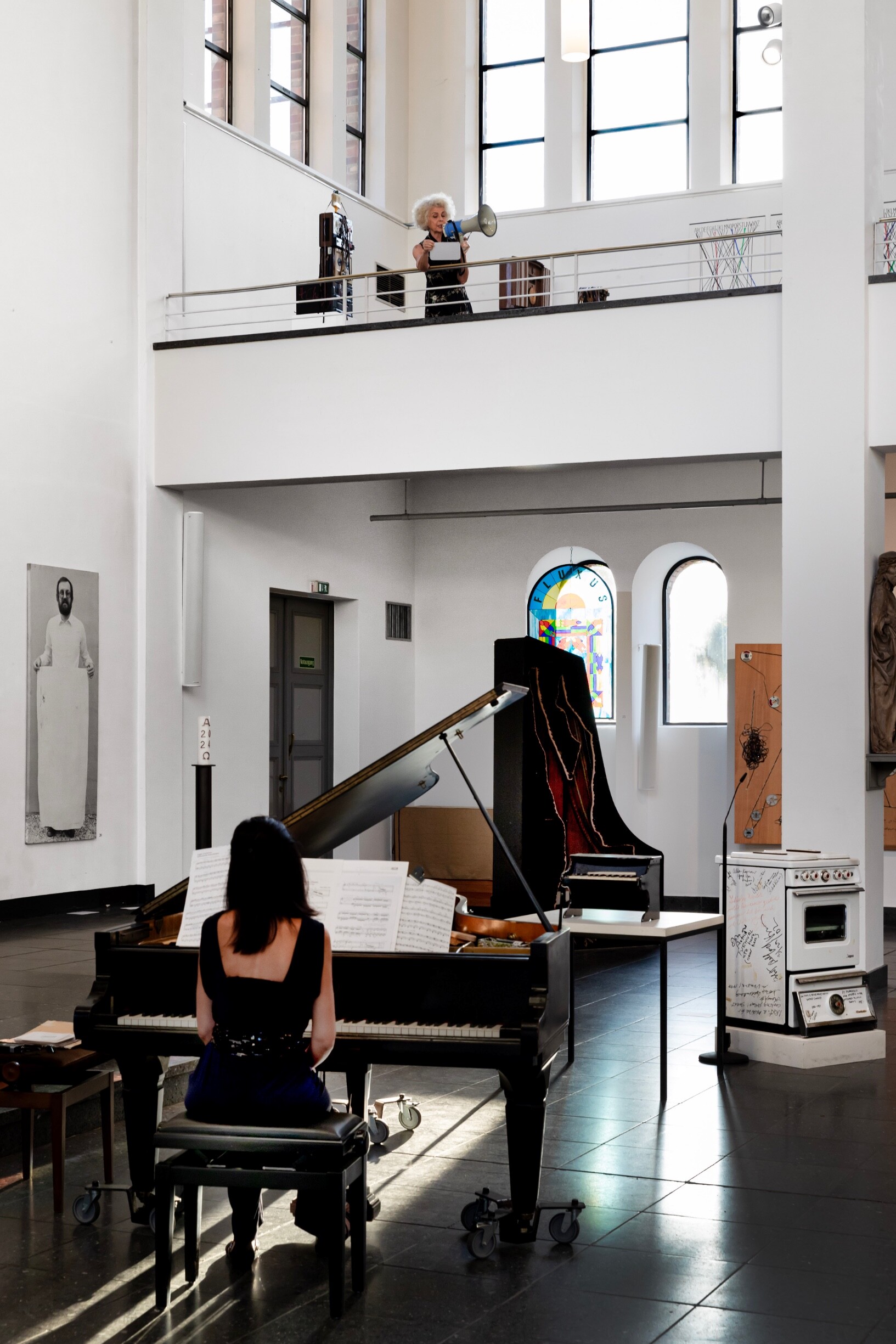
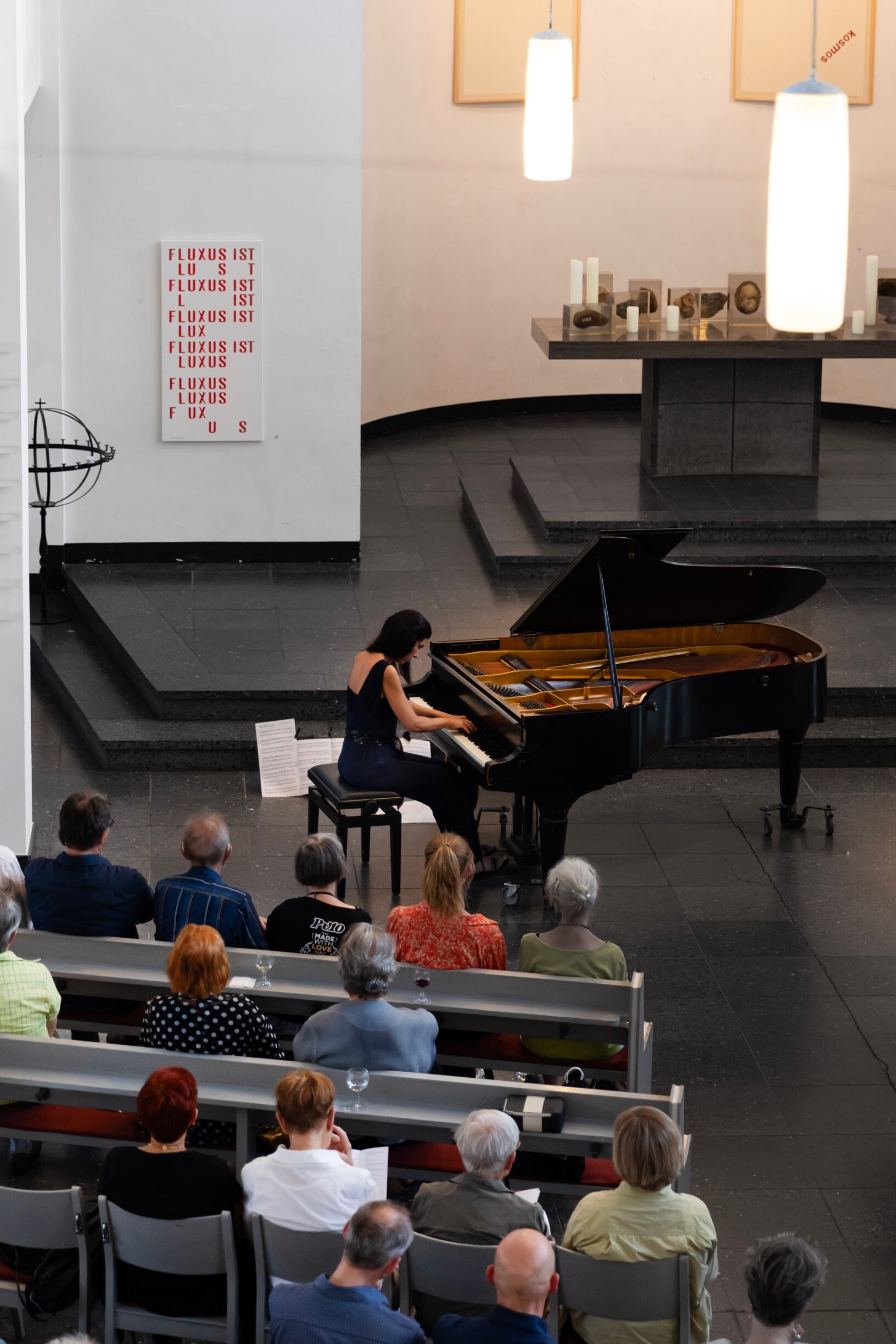
In a few weeks I’ll be in Berlin again with two concerts, on the 6th of August and on the 20th of August. The first recital, Open Cage, will be dedicated to John Cage‘s music for toy piano, prepared piano, string piano and “regular” piano. The second program, Fluxus Cardboards, will feature music by Fluxus artists and composers Corner, Shiomi, La Monte Young, Higgins, and Cardini. Both recitals are included in a concert series parallel to the exhibition “Holy Fluxus”, held from July 13th to September 8th at St. Matthews Church in Berlin. The exhibit is organized by Archivio Conz and presents to the public part of the wide collection of Francesco Conz, now available in Berlin thanks to a huge cataloguing work. Quoting from Archivio Conz press review, “Francesco Conz (1935–2010) was an obsessive Italian collector, patron, curator, friend of artists, and “producer as artist sui generis” (Thomas Marquard). In 1972, after meeting Hermann Nitsch, Günter Brus, and Joe Jones in Berlin, his interests focused on Lettrism, Concrete Poetry, Viennese Actionism, Fluxus, music, and literature. Over the course of many decades, he created a unique worldwide network of artists. His tireless activities as a publisher of over 560 art editions (Edizioni Conz) in the northern Italian city of Asolo, and later in Verona, contributed significantly to the development of Fluxus in Italy and worldwide. Since 2016, the Archivio Conz, with its approximately 5,000 objects by more than 200 artists, has been housed in Berlin and is now being presented to the public in its entirety for the first time after eight years of cataloging and digitization.”
I am very pleased to be part of the event together with many friends and musicians; in fact, the exhibit will host a free concert every Tuesday, and you can check the full programme here. Below some information about the two recitals (and some images later, as usual).
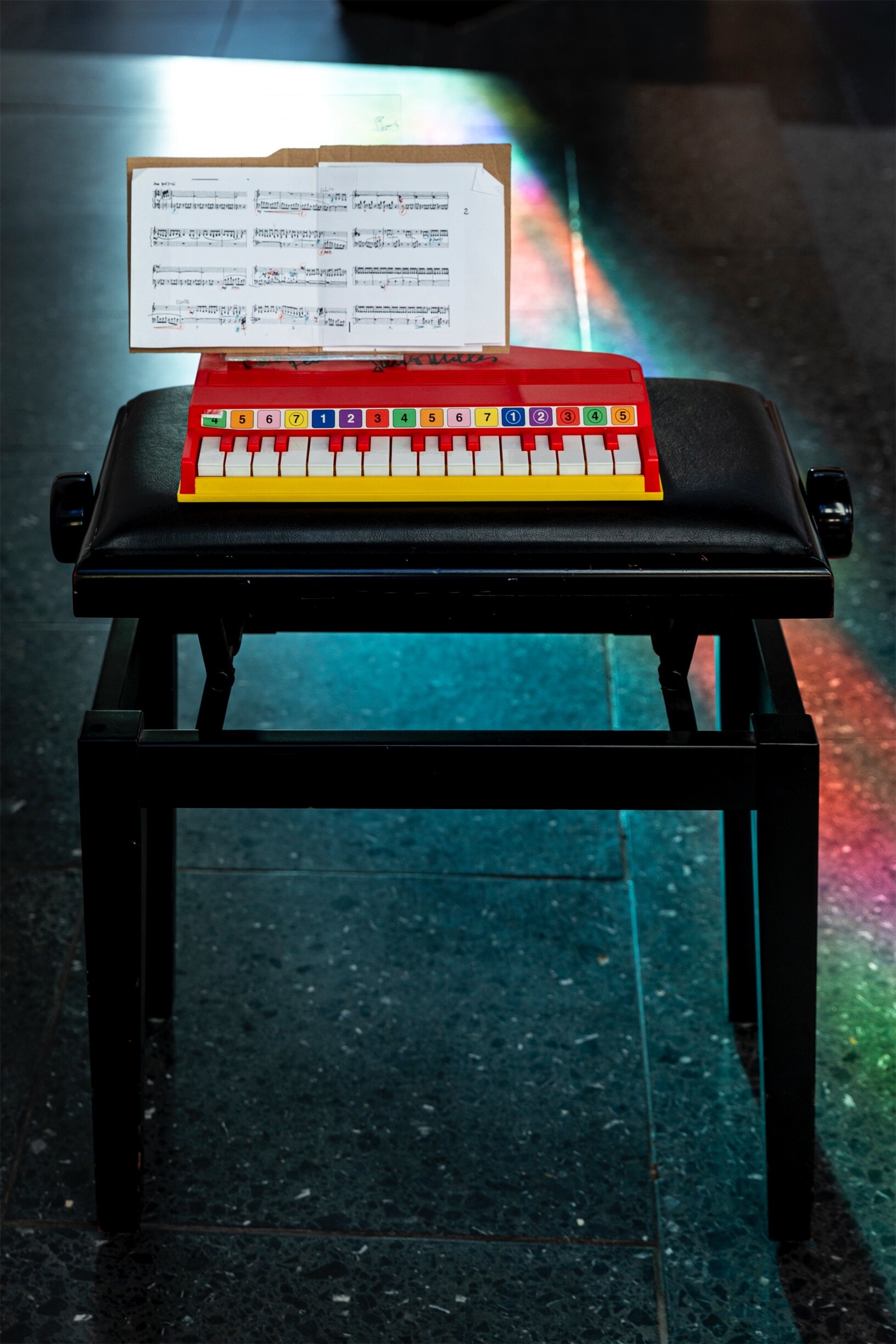
Open Cage, on August 6th, is a listening journey around the sound of the piano. It includes music by John Cage for toy, prepared and regular piano, hosting a piece for “string piano” composed by Tan Dun in honour of John Cage. The young Chinese composer found a supporter in Cage, who spoke very positively of him during the interviews and conversations of the last years. It’s a music programme I’ve played many times, always with a lot of pleasure, looking forward to the surprise of the new sounds of preparation of Sonatas&Interludes (you never know, when preparing a piano, what will come out at the end). A little treat: this time I will play a toy piano from Conz collection, signed by Fluxus artist Larry Miller.
Fluxus Cardboards, on August 20th, includes plenty of Fluxus music and of course plenty of handmade musical cardboards. It’s not the first time that I spend some hours with scissors, glue, paper and cutter, as far as it seems that these fragments of score, once thrown into the air after being played, are irresistible souvenirs for the audience… Composer Mieko Shiomi wrote to me very pleased at the idea that some of her music is now in different homes around the world, so I keep cutting and pasting in good spirits. Beside Mieko Shiomi’s, the programme will feature music by Philip Corner, Giancarlo Cardini, Dick Higgins and inspired by La Monte Young. Cardboards, mallets, brushes, balls and other sonorous objects will be in my baggage – stimulating inquires at airport security check as usual. A stair will host as a special guest Anna Clementi, who kindly agreed to lend her beautiful voice for the opening piece.
↓Photos by @giuliabaresi – Courtesy of Archivio Conz, Berlin. Open Cage, 6th August
↓Photos by Giorgia Palmisano – Courtesy of Archivio Conz, Berlin. Fluxus Cardboards, 20th August
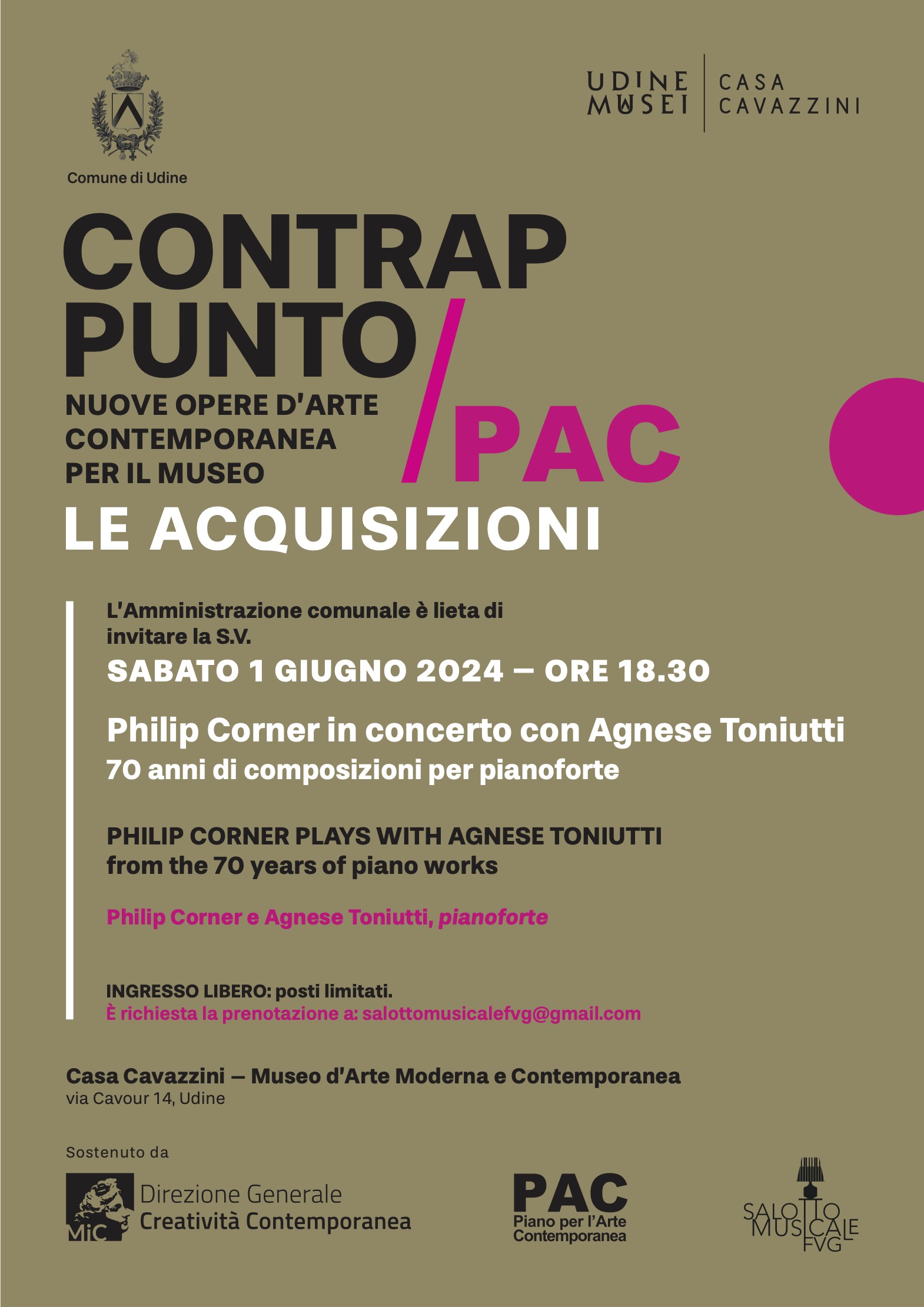
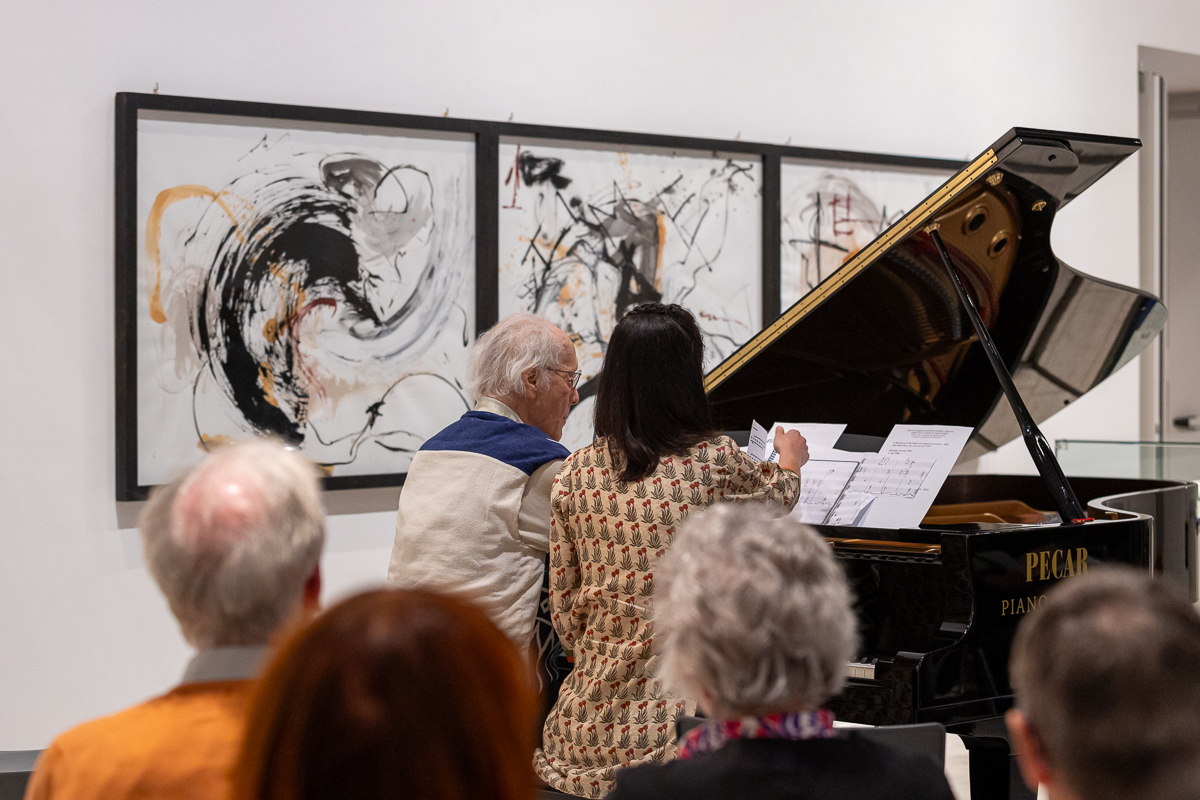
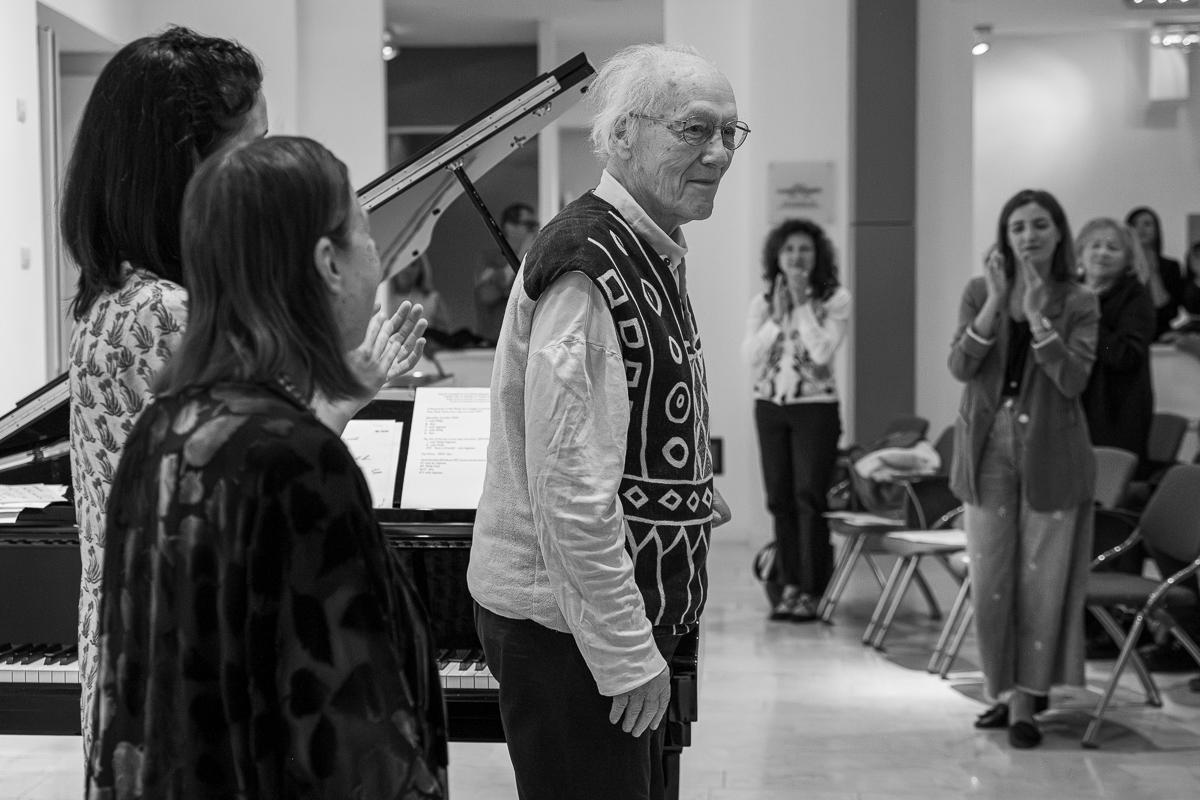
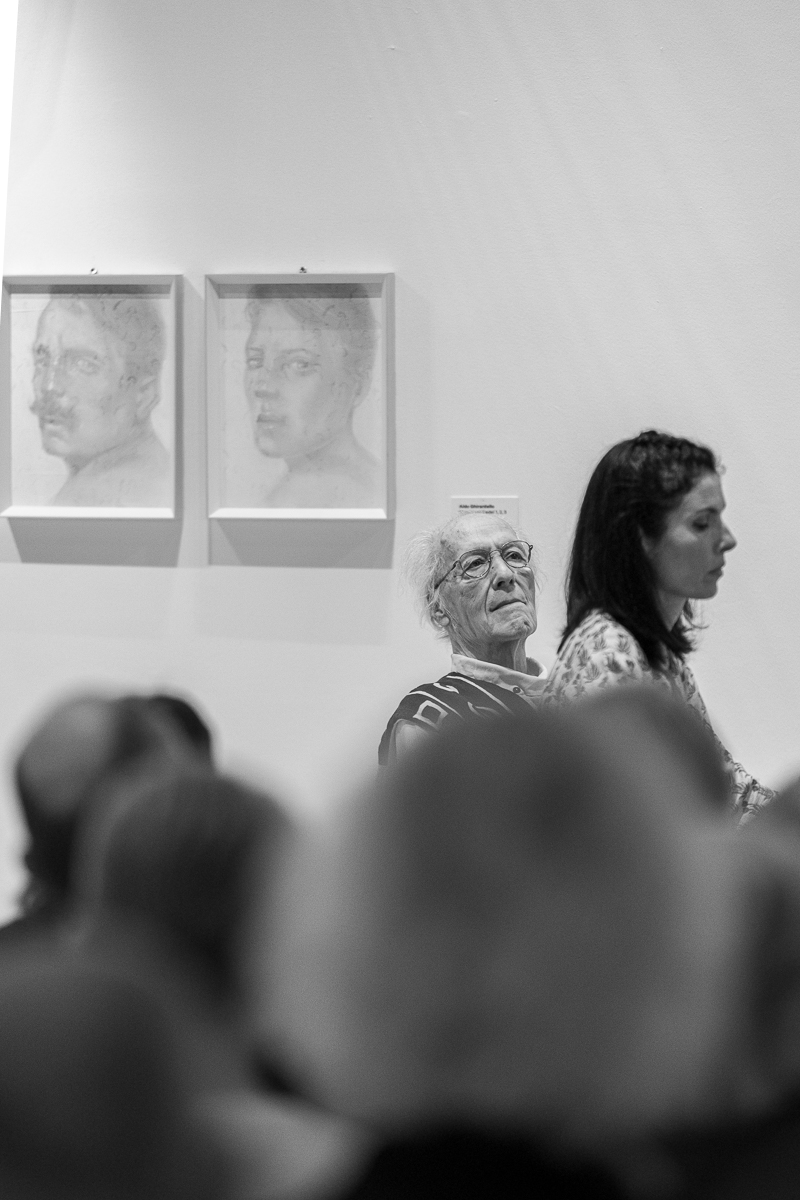
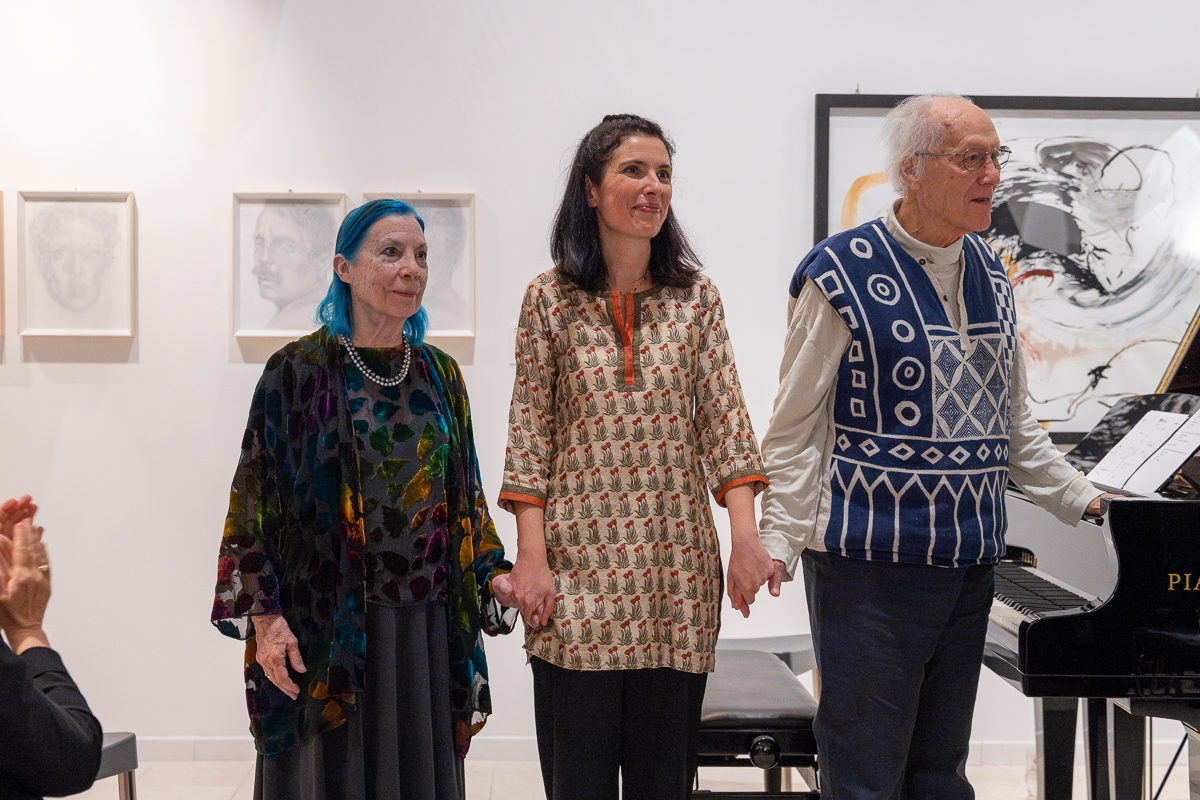
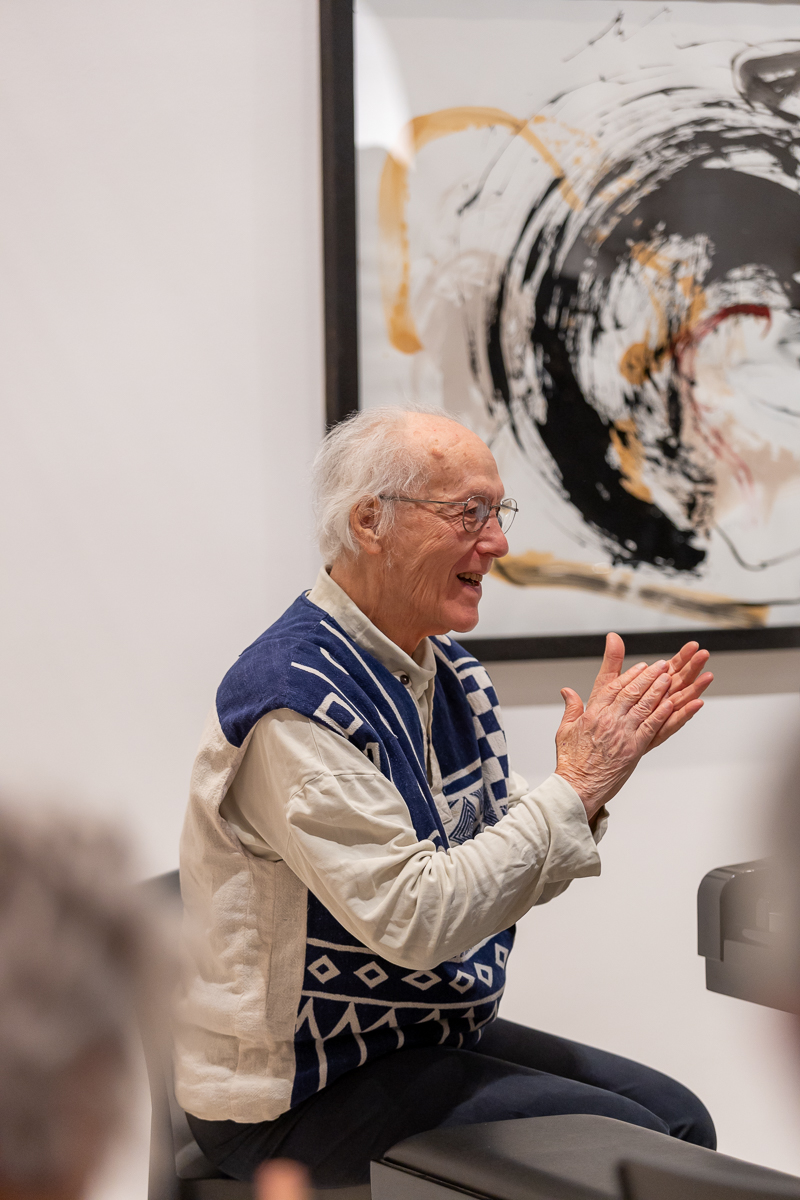
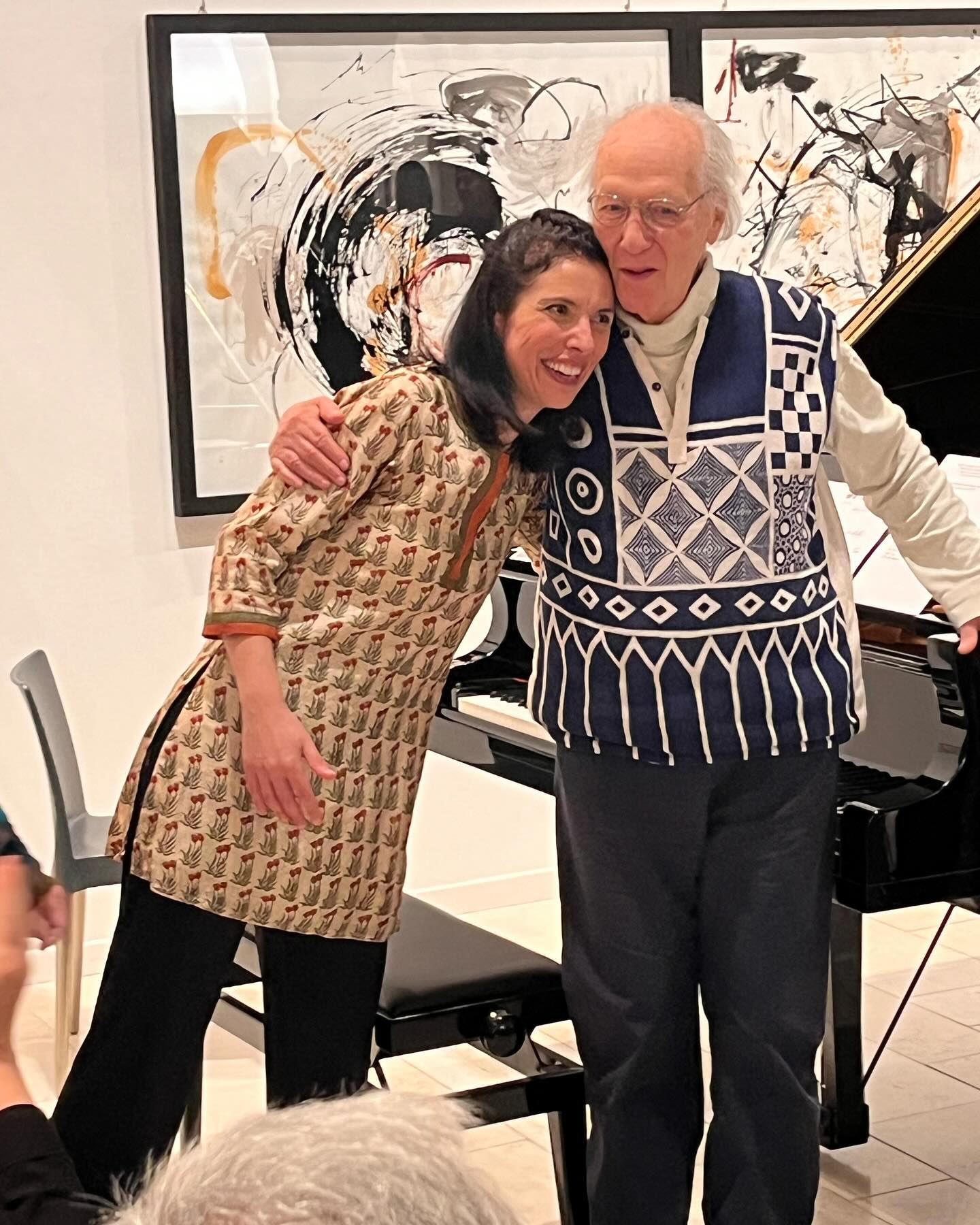
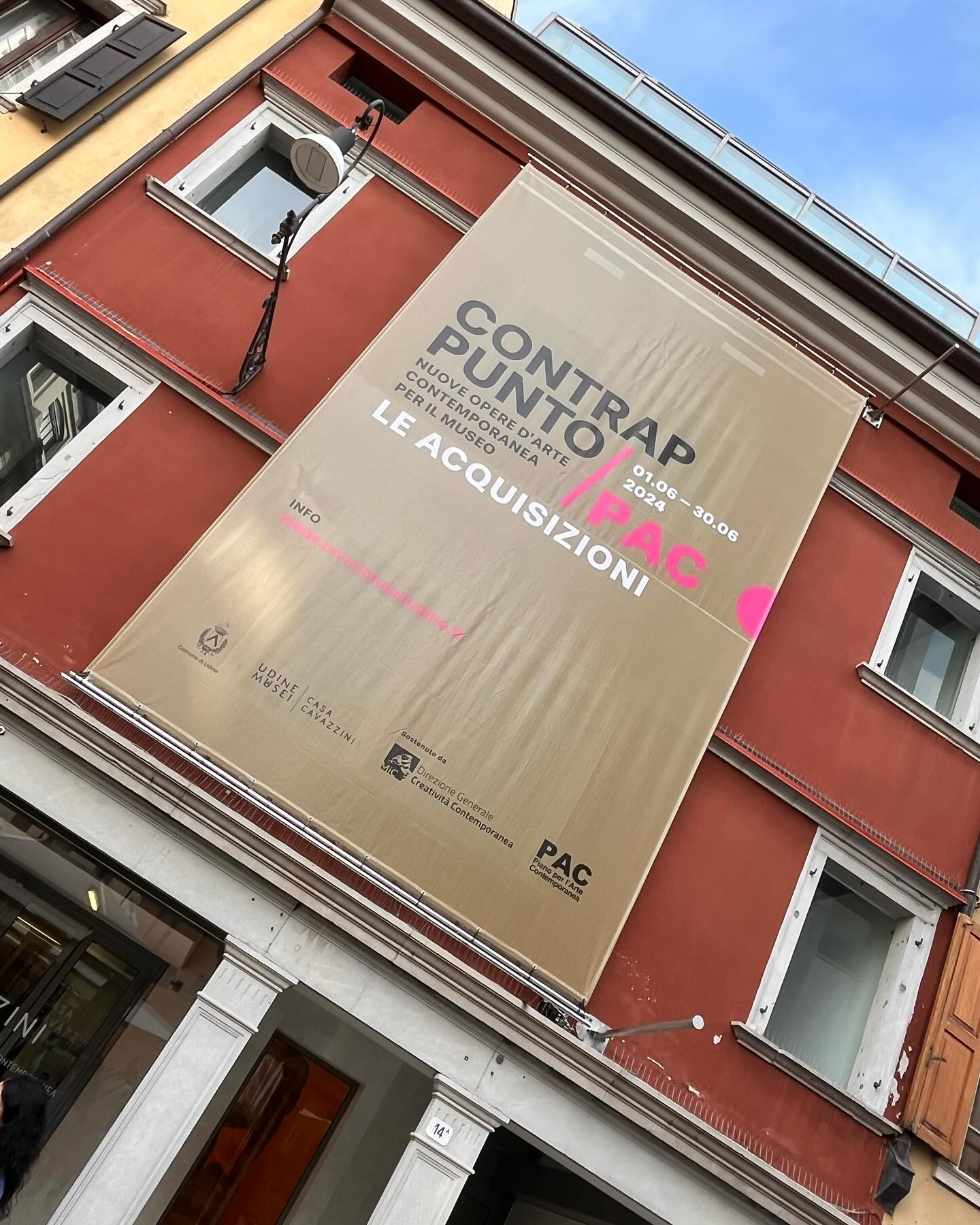
After last October concert for Festival Aperto in Reggio Emilia, here we go with an other show with Philip Corner’s piano music. On Saturday, June 1st, at Museo di Arte Moderna e Contemporanea Casa Cavazzini in Udine at 6.30 pm we will play together a choice from his 70 years repertoire for solo piano and piano four-hands. As a precious counterpoint, some original music papers by Corner from Caterina Gualco / Unimedia Modern collection, curated by Cristina Burelli. The concert is organized by Civici Musei Udine, in collaboration with Salotto Musicale Fvg. Needless to say I’m very happy and looking forward to the privilege of sharing again the stage (and the piano) with Philip!